
Best Yacht Insurance Companies 2026: How the Main Yacht Insurers Compare
The best yacht insurance companies in 2026 split by vessel value and cruising ground rather than by price, and the eligibility limits each one publishes decide your shortlist before any premium is quoted.
Eleven carriers and specialist intermediaries, compared on the numbers they publish: length limits, value ceilings, valuation basis and cruising range. Named, never linked, and never ranked one to ten.
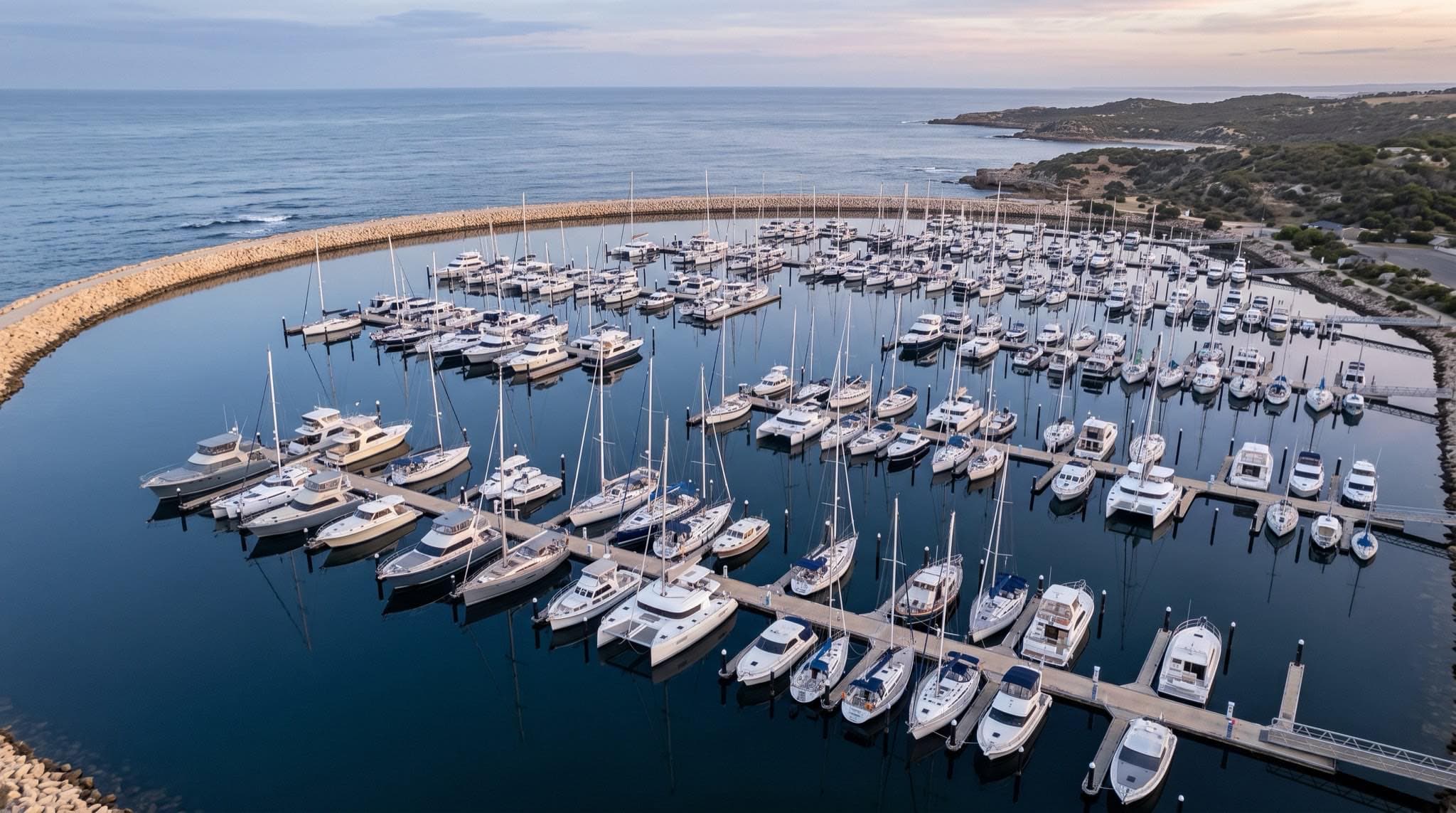
Insuring a yacht of your own?
Tell us the boat, its value and where it cruises. We come back with Lloyd's-market terms, usually inside 24 hours.
What a yacht insurance company actually is
A yacht insurance company is not always the company that pays. Three different businesses wear that label: a carrier that settles claims off its own balance sheet, an agency or broker that places business with carriers, and a market facility that arranges cover with underwriters in the London market.
Key takeaways
- Progressive publishes a ceiling of 50 feet and $500,000, while Chubb's Masterpiece Yacht programme starts at 36 feet, so vessel size and value decide who can quote before price enters the conversation.
- Agreed value pays the figure written on the policy; actual cash value deducts depreciation, and the gap only becomes visible on a total loss.
- Three of the eight People Also Ask questions Google returns for this query ask how to size a liability limit, and none of the top-ranking pages answers them.
- The US Coast Guard recorded 3,887 recreational boating incidents and about $88 million in reported property damage in 2024.
- Cover placed in the London market through London Marine Insurance Services Ltd runs a 10% named-windstorm deductible with a signed hurricane plan.
- London Marine Insurance Services Ltd is authorised and regulated by the UK Financial Conduct Authority, firm reference 308599, which anyone can check on the public register.
Reviewed by Costas Matheou, licensed insurance agent. Verify his licence and credentials Last updated 14 August 2026. Facts last verified 14 August 2026.
The numbers this page is built on
11,674,073
US registered recreational vessels in 2024, up 1.1% on 2023
USCG Recreational Boating Statistics 202410%
Named-windstorm deductible with a signed hurricane plan
LMIS policy wording, named-windstorm clause
€600 per day, 67 days
Loss-of-charter-hire daily cap and day limit
LMIS policy wording, loss-of-charter-hire clause
Who are the best yacht insurance companies in 2026?
There is no single best yacht insurance company. Chubb and PURE serve high-value and crewed yachts, Markel and Foremost sit in the middle of the recreational market, Progressive and BoatUS cover smaller craft at volume, and Pantaenius and Topsail Insurance serve European and UK owners that US listicles leave out.
Every figure below is what each company publishes about itself. None of it is our verdict on their service, and none of these companies is a client, a partner or an advertiser here.
| Company | Type | Best for | Notable published term |
|---|---|---|---|
| Chubb | Carrier | High-value and crewed yachts | Masterpiece Yacht from 36 feet; Yacht Preference for 70 feet and over, with crew liability |
| Progressive | Carrier | Smaller recreational craft | Published ceiling of 50 feet and $500,000 |
| Markel | Carrier | Mid-size recreational and sportfishing | Consequential damage from wear and tear; liveaboard personal liability |
| BoatUS (underwritten by GEICO) | Membership programme | Owners who want towing bundled | TowBoatUS integration; range extensions to the Bahamas, Mexico, Alaska and the Caribbean |
| Foremost | Carrier | Tiered recreational cover | Hurricane haul-out cover in the upper tiers |
| Great American | Carrier | Crewed yachts | Publishes a minimum insured value of $2M with full-time professional crew |
| PURE | Member-owned reciprocal | High-net-worth owners | Agreed value with no deductible on a total loss |
| Travelers | Carrier | Coastal and hurricane-exposed risks | Coastal underwriting appetite |
| Hagerty | Carrier | Classic and collector vessels | Agreed value for collector craft |
| Pantaenius | Specialist intermediary | European and Mediterranean owners | European specialist absent from US comparison lists |
| Topsail Insurance | Specialist intermediary | UK and liveaboard owners | UK specialist absent from US comparison lists |
| LMIS / Lloyd's facility | Market facility we introduce to, not a carrier | Worldwide cruising, agreed value to $5M | 10% named-windstorm deductible with a signed hurricane plan |
The last row is ours, and it sits last on purpose. World Yacht Insurance is an introducer. On a page like this that makes us a route into a market, and we would look silly ranked as a carrier when we are not one.
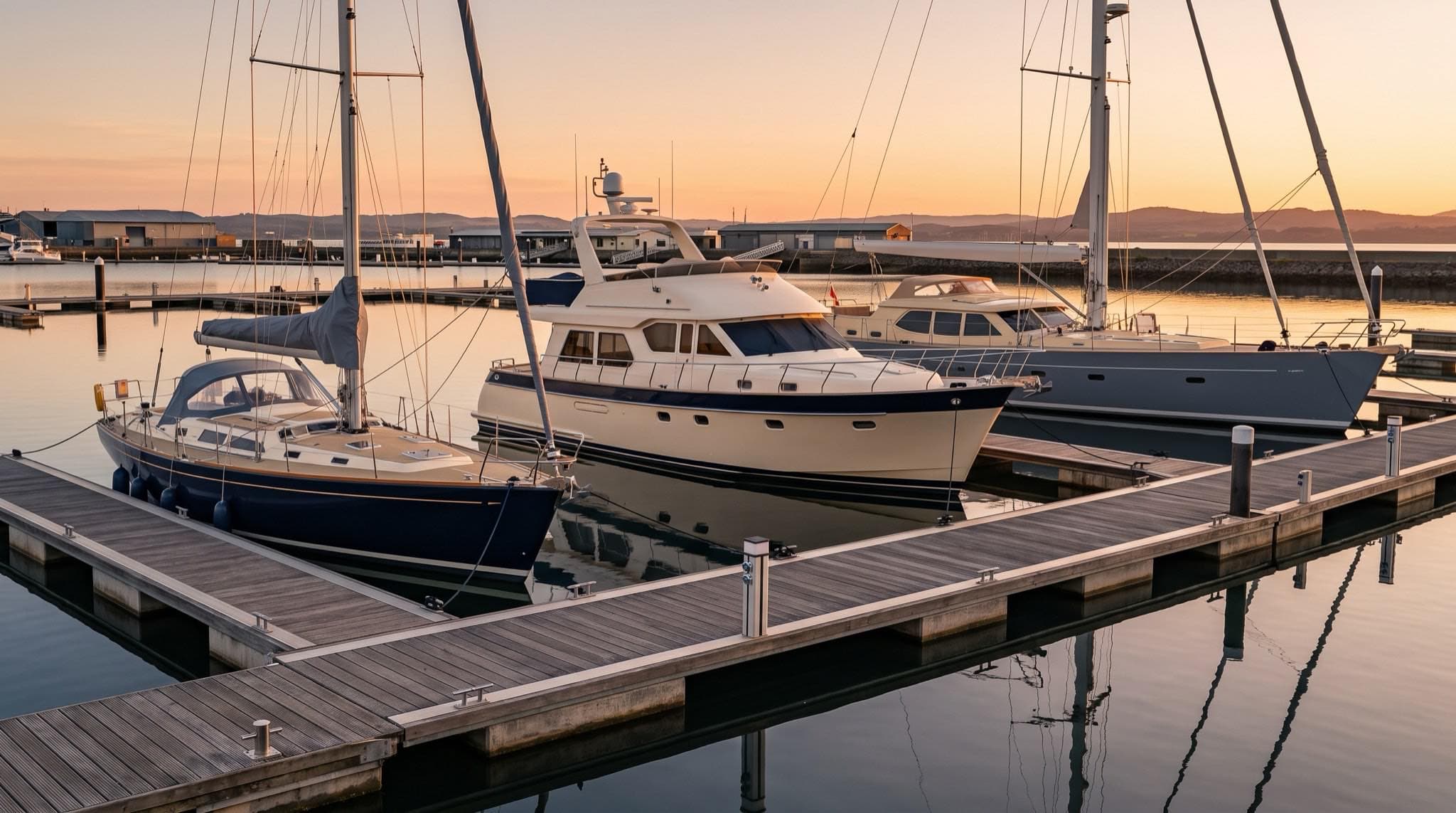
Which name suits you comes down to the vessel, the cruising plan and the claims history. The neutral YachtWorld boat insurance guide lands in the same place, and the underwriting capital behind the largest of those risks sits at Lloyd's of London.
Which insurers will take a yacht your size and value?
Length and insured value are the two gates that decide your shortlist. Most mass-market boat insurance companies stop somewhere between 50 feet and $2.5M, and above that line the specialist carriers and the London market take over. Nothing about price matters until a company can write the vessel at all.
| Company | Minimum length | Maximum length | Maximum insured value | Valuation basis | Published cruising range |
|---|---|---|---|---|---|
| Progressive | Not published | 50 ft | $500,000 | Agreed value and actual cash value | US inland and coastal |
| BoatUS (GEICO) | Not published | 50 ft | $2.5M | Agreed value and actual cash value | US, with extensions to the Bahamas, Mexico, Alaska and the Caribbean |
| Nationwide | Not published | Not published | $350,000 | Agreed value and actual cash value | US |
| Markel | 26 ft | Not published | Not published | Agreed value | US and coastal |
| Chubb Masterpiece Yacht | 36 ft | 70 ft | $3M | Agreed value | Worldwide by endorsement |
| Chubb Yacht Preference | 70 ft | Not published | Higher, with a captain | Agreed value | Worldwide by endorsement |
| Great American | Not published | Not published | $2M minimum, professional crew required | Agreed value | US and international |
| LMIS / Lloyd's facility | Not published | Not published | $5M in-house, more through the wider market | Agreed value | Worldwide, including the Caribbean |
Four figures in that table carry a caveat. The BoatUS ceiling, the Markel entry length, the Great American crew requirement and the Nationwide ceiling each come from one third-party review, and we could not corroborate them across three independent sources. Treat them as reported, and confirm them with the company before you rely on them. Where a cell says "not published", the company genuinely does not publish it. We have not estimated any of them.
Our own row is the facility we introduce business to. Agreed-value hull and liability cover is arranged up to $5M in-house. Above that, the risk goes into the wider Lloyd's market.

We tell an owner up front when a hull type is outside what our market writes. It costs us the enquiry and it saves them two weeks of waiting for a no.
What does "best" actually mean for a yacht policy?
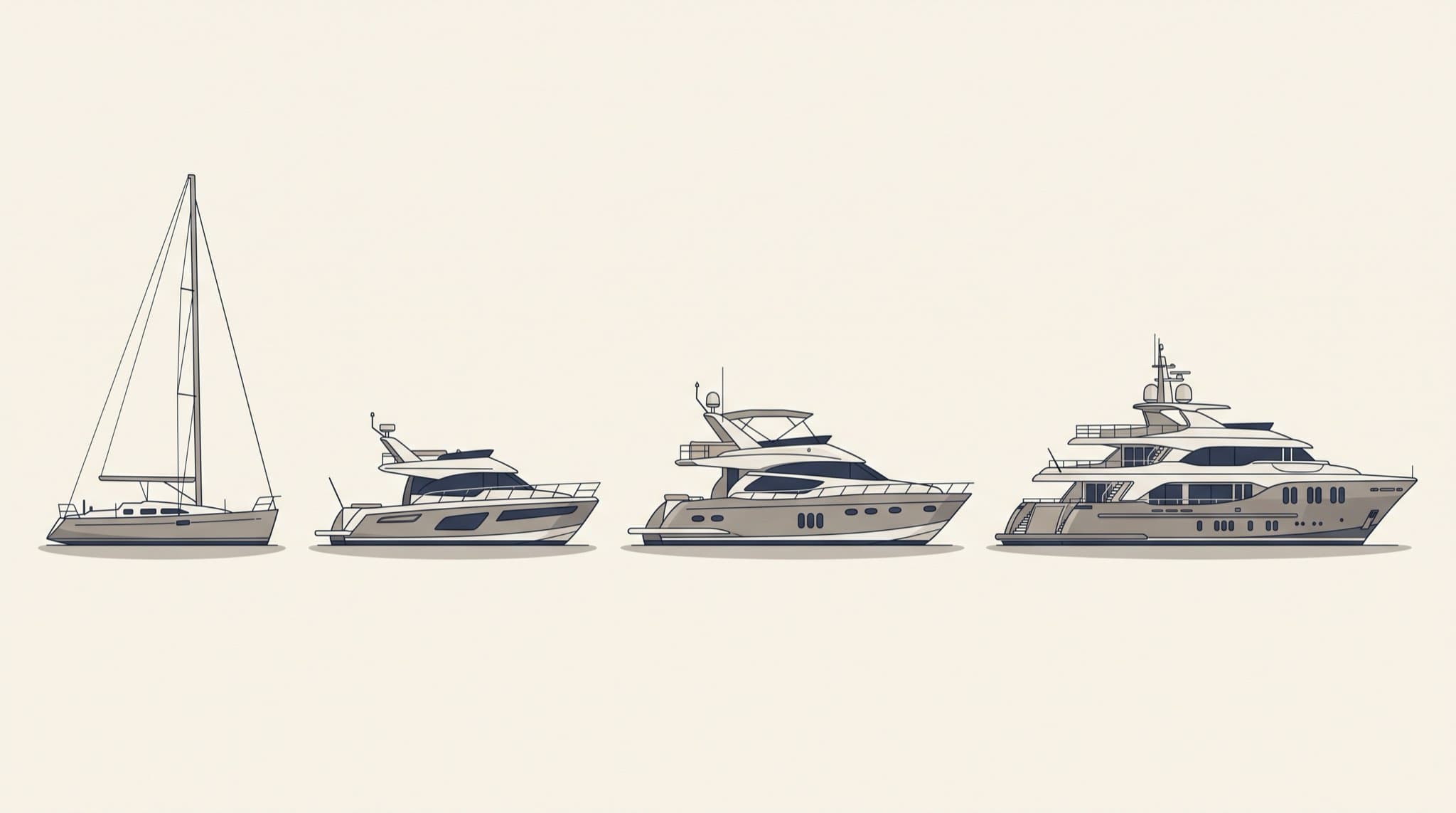
Six things decide whether a yacht policy performs, and only one of them is the premium. Work through them in order and the shortlist usually collapses to two or three names.
| Criterion | What to ask | Why it decides the claim |
|---|---|---|
| Valuation basis | Is this agreed value or actual cash value? | Agreed value pays the figure on the schedule. Actual cash value deducts depreciation, so an older yacht pays out for far less than it costs to replace |
| Who carries the risk | Is the name on the policy the carrier, or an intermediary? | Only the carrier or the syndicate pays. Financial strength belongs to whoever carries the risk, not to whoever sold the policy |
| Marine claims capability | Does the claims team handle marine losses, or general property? | Salvage, wreck removal and osmosis arguments need marine adjusters. A general property desk is slower and reads the wording differently |
| Navigational limits | Does the declared area cover where you actually sail? | A policy is written to a declared navigation area. Crossing it without an endorsement leaves you uninsured rather than merely restricted |
| Use case | Private, charter or liveaboard? | Charter and liveaboard use are excluded until endorsed. The endorsement is cheap and its absence is expensive |
| Deductible structure | Is there a separate named-windstorm deductible? | A flat hull deductible and a percentage windstorm deductible behave very differently on the one claim you are most likely to make in a hurricane zone |
A terminology note, because it trips people up the moment a US quote lands next to a London one: US policies say deductible, non-US policies say excess, and they mean the same thing. Premium mechanics belong elsewhere, so how yacht insurance premiums are calculated sits in the cost guide instead of being repeated here. For a neutral consumer overview of boat insurance companies and what they sell, the Insurance Information Institute is a fair starting point. The underwriting capital behind most large-yacht risks ends up at Lloyd's.
Is the cheapest yacht insurance quote worth taking?
A cheap yacht insurance quote is usually cheap because of what the wording gives up, and the trade only becomes visible at claim time. Compare the exclusions and the deductible page before you compare the two premiums, because that is where the difference actually lives.
| What a low quote usually trades away | What it means when you claim |
|---|---|
| Actual cash value instead of agreed value | The payout on a total loss is the depreciated figure, not the figure you insured for |
| A percentage named-windstorm deductible you did not read | On a hurricane claim the deductible is a share of the hull value, not a flat sum |
| A navigation limit that ends before your cruising ground | A loss outside the declared area is not a reduced claim, it is no claim |
| Charter or liveaboard use left unendorsed | The use that generates the income is the use the policy excludes |
| A survey condition left unmet | An unmet condition gives the underwriter a clean defence years later |
| No consequential damage cover | Damage caused by wear and tear is declined, even where the resulting damage is sudden |
Here is the part a comparison page is supposed to say and usually does not. If you own a trailerable runabout or a personal watercraft, mass-market cover at a low premium genuinely is the right answer. The London market does not write it, and you should not want us to. The argument against cheap cover only bites once the vessel is worth enough that a depreciated payout would hurt.
Specialist placement is not automatically the expensive option either. The rule of thumb published across the US comparison sites is 1% to 5% of insured value a year, a range wide enough to be useless. The band we see on the facility we introduce to is 1% to 1.5% of agreed value: a quarter as wide, with a lower top end. Cover written to a named-windstorm clause you can actually read, set against the published hurricane season dates, is the same purchase as the cheap quote. It is just priced honestly.
We work off the policy wording itself. When an owner asks what the storm deductible actually is, we read the clause rather than repeat what the market says about it.
Which yacht insurance company is best for your vessel and cruising plan?
The honest answer to "who has the best boat insurance" is that the market segments by vessel and by cruising plan, not by brand. Find your row.
| Your situation | What changes the underwriting | Where the market points | Our page |
|---|---|---|---|
| Superyacht above $5M | Crew liability, professional management, survey depth | Specialist carriers and the London market | Superyacht insurance |
| Catamaran | Beam, bridgedeck construction, charter use | Specialist multihull appetite; trimarans are widely declined | Catamaran insurance |
| Sailing yacht | Rig age, standing rigging replacement, racing use | Broad appetite, with racing endorsed separately | Sailboat insurance |
| Motor yacht | Machinery value, fuel capacity, speed | Broad appetite; high-speed craft are treated differently | Motor yacht insurance |
| Liveaboard | Occupancy, personal liability, mooring | Narrow appetite; most standard policies exclude it | Liveaboard insurance |
| Bareboat charter | Commercial use, skipper vetting, protection and indemnity | Charter endorsement required | Bareboat charter insurance |
| Offshore and bluewater passages | Crew experience, watchkeeping, passage plan | Worldwide navigation markets | Offshore and bluewater cover |
| Vessel 20 years and older | Survey age, rewiring, through-hulls | Survey conditions applied | Yacht survey requirements |
| Cruising the Mediterranean | Flag state, local liability minimums, seasonal berthing | European specialists and the London market | Mediterranean yacht insurance |
| Worldwide itinerary | Navigation area declared without regional limits | Worldwide navigation markets | Where your navigational limits stop |
Rows that need worldwide navigation, professional crew or charter income tend to end up in the London market, where the underwriting capital sits at Lloyd's of London. Personal watercraft and trailerable runabouts fall outside this page and outside the London-market yacht facility. Carriers specialise by boater type, as the YachtWorld boat insurance guide says plainly. Match the specialist to the boat first, and the price to the budget second.
How much liability cover do you actually need, $1 million or $2 million?
Liability limits are set by exposure, not by hull value. A $300,000 yacht that carries eight guests through a busy anchorage in a marine park has more liability exposure than a $2M motor yacht that never leaves a private dock, and the limit should follow the exposure.
| What moves the limit | Why |
|---|---|
| Guests carried aboard | Injury claims scale with the number of people who can be hurt at once |
| Marina and lender requirements | The certificate of insurance sets a practical floor before you choose anything |
| Salvage and wreck removal exposure | A grounding on a reef can cost several multiples of the hull value to clear |
| Pollution and fuel-spill cleanup | Cleanup usually sits inside the liability limit rather than beside it |
| Cruising ground | Remote or environmentally protected waters raise both salvage cost and regulatory exposure |
Most owners miss that wreck removal and fuel-spill cleanup normally sit inside the liability limit. Size a limit against injury claims alone and you have undersized it. Excess liability, sold in some markets as a bumbershoot or a follow-form excess policy, is how you go above the primary limit without rebuying it.
We publish no premium figure for a standalone $1M or $2M limit. We hold no verified pricing for one, and an invented number on a page like this is worse than silence. A federal statutory limit applies to fuel-spill liability in US waters, and the international framework for pollution liability sits with the International Maritime Organization. The Insurance Information Institute sets out the general liability and salvage picture for US owners. What a limit costs depends on the whole risk, which is what a quote is for.
Who actually pays your claim, the brand or the market?
The name on the website is often not the entity that pays. A yacht insurance brand may be a carrier, a managing general agent, a broker, an agency or an introducer, and only the carrier or the Lloyd's syndicate behind the policy actually settles a claim. Ask which one you are dealing with before you ask about price.
The US market shows the pattern plainly. BoatUS is a membership organisation whose policies are reported as underwritten by GEICO. Specialty marine agencies place business with underwriters instead of carrying the risk themselves. Neither arrangement is a problem. Not knowing which one you have bought is.
Our own chain, end to end
- 01
You
The yacht owner asking for terms
- 02
World Yacht Insurance
Introducer. A trading name of Costas Matheou, a licensed insurance agent in Cyprus
- 03
AKD Insurance
A.K. Demetriou Insurance Brokers Ltd, the contracted broker in Cyprus
- 04
London Marine Insurance Services Ltd
Lloyd's-accredited broker, authorised and regulated by the FCA, firm reference 308599
- 05
Lloyd's of London
The underwriters who carry the risk and pay valid claims
World Yacht Insurance is a yacht-insurance introducer arranging hull and liability cover up to $5M for sail and motor yachts worldwide, including the Caribbean, placed in the London market through London Marine Insurance Services Ltd, a Lloyd's-accredited broker.
London Marine Insurance Services Ltd is authorised and regulated by the UK Financial Conduct Authority, firm reference 308599, and that reference belongs to London Marine Insurance Services Ltd, not to us. You can check it yourself on the FCA Financial Services Register.
We are not an insurer. We are not FCA-regulated. We do not carry risk, and we do not pay claims. The insurers behind the facility pay valid claims on the cover we introduce, placed in the London market through a broker accredited by Lloyd's of London, and the full chain is set out on our how it works page.
In the US market the financial-strength test is the AM Best rating, and A or better is the usual threshold. Outside it, you check the Lloyd's market rating and the FCA register entry for the firm arranging the placement.
Where do US yacht insurers stop covering you?
Every recreational policy is written to a declared navigation area, and this is where US cover most often runs out. Crossing the boundary without an endorsement does not reduce a claim, it removes it, and the boundary is usually narrower than owners assume.
What the US market publishes about extensions maps the edge fairly well. BoatUS advertises range extensions to the Bahamas, Mexico, Alaska and the Caribbean. Foremost includes Bahamas and Mexico navigation in its upper tiers. For genuinely worldwide navigation and war risk, the names that come up are AIG, AXA XL and Zurich. Past that, cover tends to fall off at the same handful of points: an extended Caribbean season, a transatlantic passage, a Mediterranean summer, full-time liveaboard status, and chartering the yacht out.
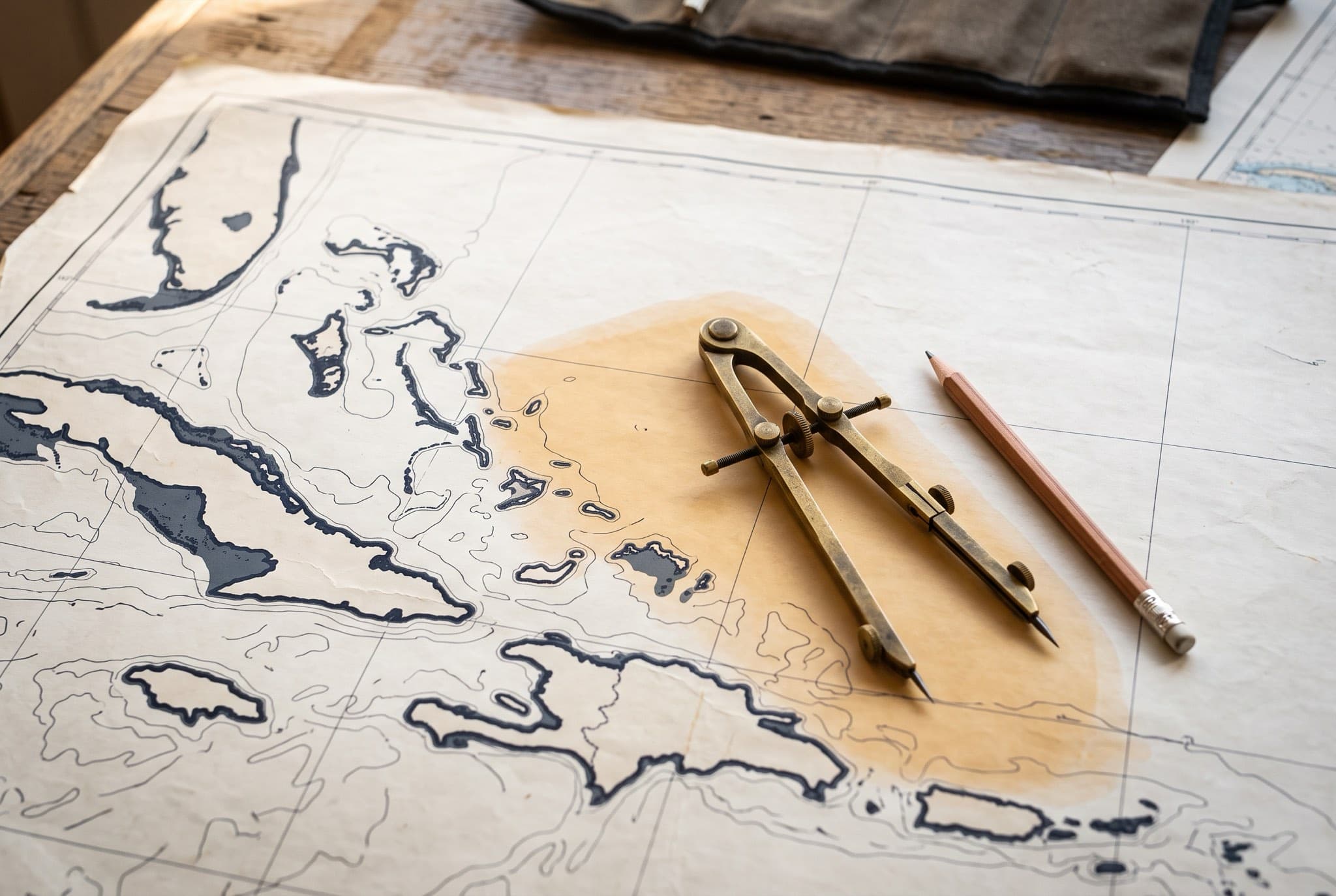
You can place hurricane-exposed waters. On the facility we introduce to, named-windstorm cover runs at a 10% deductible and requires a signed hurricane plan. The restricted period and area come from the policy wording rather than the meteorological calendar. Underwriters call that policy-defined window and area the hurricane box, and the Atlantic season dates published by the National Hurricane Center sit behind those terms as background, not as the terms themselves. When hurricane season runs in the Caribbean covers the calendar in full, and you can build a signed hurricane plan with our generator.
Chartering the yacht out needs its own endorsement and can carry loss-of-charter-hire cover at €600 per day, capped at 67 days. Chartering your yacht out sets out how that is arranged, and Caribbean yacht insurance covers the region in more depth.
Cuban, Colombian, Venezuelan and Haitian waters are the clearest example of how badly this gets reported. Under the clause we hold, all deductibles are doubled while the vessel is in those waters, confiscation by any authority is excluded, piracy and the taking of the vessel are excluded, and theft is excluded unless the vessel is moored in a commercial marina agreed in writing by underwriters. Cover is placeable there on modified terms. It is not excluded. And four countries are named in that clause, Colombia included.
Most write-ups say those waters are simply excluded. The clause we hold says otherwise, so we publish the terms as written and let owners plan around them.
What does the Lloyd's-market facility we introduce to actually offer?
The facility writes agreed-value hull and liability cover for sail and motor yachts worldwide, including the Caribbean, up to $5M in-house, with larger risks going into the wider Lloyd's market. Here is what it covers and what it does not, in the same detail we have applied to everyone else on this page.
| Covered | Not covered or conditioned |
|---|---|
| Agreed-value hull and machinery, worldwide including the Caribbean | No trimarans, no ferro-cement hulls, no cigarette boats |
| Third-party liability arranged alongside the hull cover | The racing endorsement excludes mast, rigging and sails while racing |
| Up to $5M in-house, more through the wider Lloyd's market | Croatia carries doubled deductibles |
| Typical premium of 1% to 1.5% of agreed value | Named-windstorm cover requires a signed hurricane plan and a 10% deductible |
| Loss-of-charter-hire at €600 per day, capped at 67 days | Survey and photograph conditions apply to older vessels |
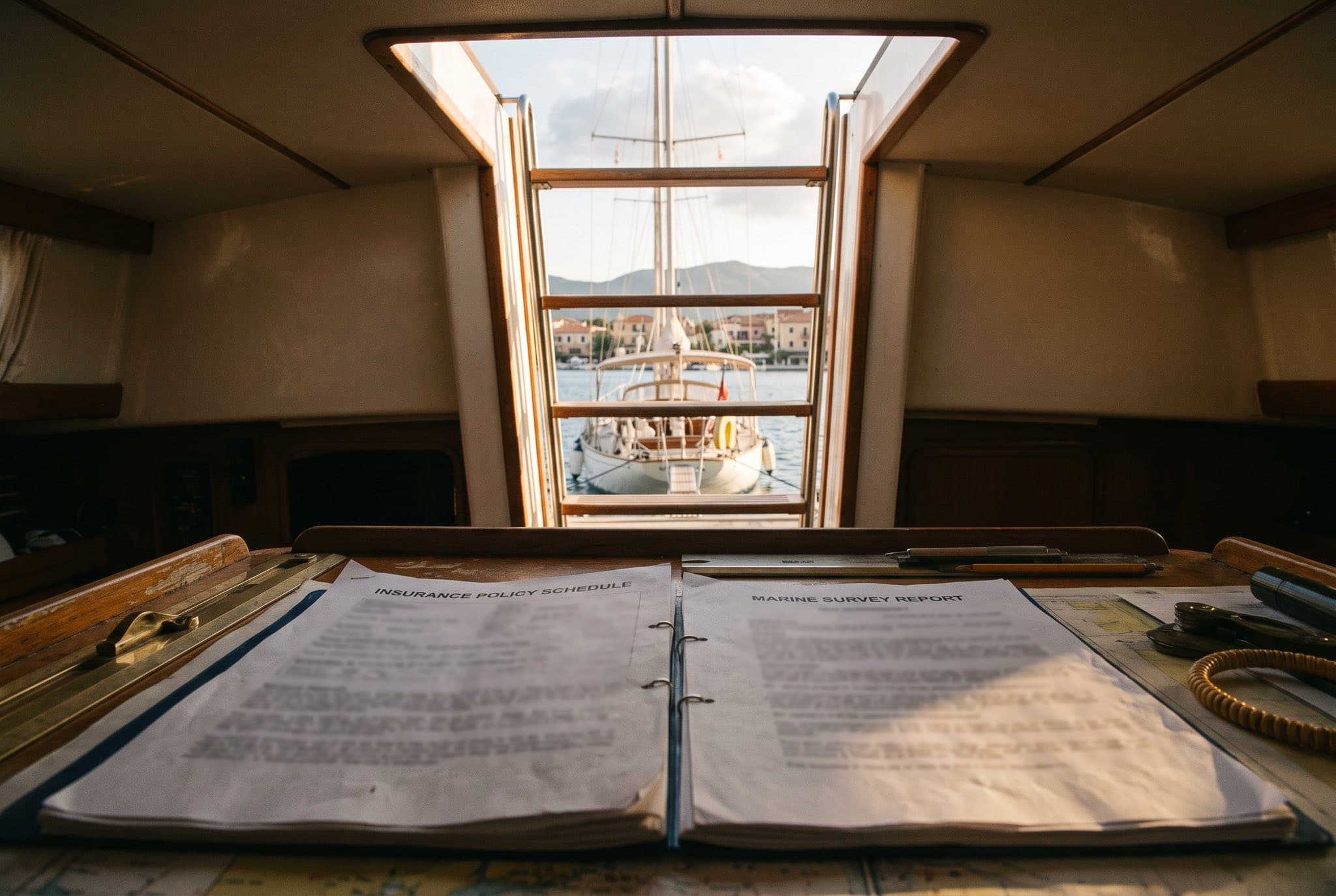
That premium band is the whole of what we will say about price on this page. Working out what a specific yacht costs to insure belongs in the cost guide and the premium calculator, and both use the same band.
The right-hand column is the short version. What yacht insurance does not cover goes through the exclusions clause by clause, and Croatia's doubled deductibles are set out on their own page.
We arrange the cover and we do not underwrite it. Risk sits with the insurers behind the facility, placed in the London market through London Marine Insurance Services Ltd, a broker accredited by Lloyd's of London, whose FCA firm reference 308599 is public on the FCA register. Quote terms come back in writing within 24 hours.
How do you check a yacht insurer before you buy?
Five checks, in about ten minutes, and they work whoever you end up buying from, including us. Do them before the renewal date rather than after a claim.
| Check | Where to do it | What good looks like |
|---|---|---|
| Financial strength of the carrier | AM Best | A rating of A or better for the entity actually carrying the risk |
| Regulatory identity for a UK or Lloyd's placement | FCA Financial Services Register | The firm reference resolves to the named firm. Ours is London Marine Insurance Services Ltd, 308599, not World Yacht Insurance |
| Carrier or intermediary | The policy documents | The wording names the underwriter, and you know who pays a claim |
| Complaint record for US carriers | NAIC complaint index | Complaint volume in line with the carrier's market share |
| The wording itself | The navigational limits and deductible pages | Your real cruising ground is inside the declared area and the windstorm deductible is a number you have read |
The data behind the first and fourth checks is public, and so is the risk baseline. The US Coast Guard boating statistics are the neutral source for how often these losses actually happen, and the Lloyd's market publishes its own ratings. This guide is information, not financial advice. Terms vary by vessel, flag and cruising ground, and only the policy wording issued to you governs your cover.
Worked through the checks? Send the vessel details and the agreed value you want written. Quote terms come back within 24 hours.
Frequently asked questions
1.Which company is best for yacht insurance?
+
There is no single best. The market splits by vessel value, length and cruising ground. High-value and crewed yachts go to the specialist end, entry-level recreational craft to the mass market. The question that decides it is which underwriter will write your agreed value at your real cruising limits.
2.What are the top marine insurance companies in the world?
+
A handful of carriers and specialist agencies run the US recreational market, among them Chubb, Markel, Progressive and Great American. Large-yacht and international risk goes into the London market. The world answer and the US answer are different, which most US listicles miss.
3.Should I get $1 million or $2 million in liability cover?
+
Size the limit against exposure, not hull value. Guests carried, marina minimums, and the salvage and pollution exposure of your cruising ground move it far more than the yacht's price does. Wreck removal and cleanup usually sit inside the limit. Excess or bumbershoot cover goes above the primary.
4.Do I need yacht insurance by law in the US?
+
Only a small number of US states mandate cover. In practice, marinas and lenders ask for it far more often than states do. Foreign cruising grounds have their own compulsory rules, so check what the country you are heading to requires before you sail.
5.What is the difference between agreed value and actual cash value?
+
Agreed value pays the sum you and the underwriter fixed when the policy was written. Actual cash value deducts depreciation, so the payout falls as the yacht ages. Our guide to agreed value vs actual cash value settles the arithmetic, including what each basis pays on a repair.
6.Is a specialist yacht insurer better than a mass-market boat insurer?
+
They serve different vessels. Value ceilings and length limits are the real dividing line, and mass-market carriers generally cap out around 50 feet and $500,000 to $2.5M. Above that, or for worldwide cruising, charter or liveaboard use, the specialist and London markets take over.
7.Does yacht insurance cover the Caribbean during hurricane season?
+
Yes, on modified terms. Those waters are placeable, not off limits. On the facility we introduce to, named-windstorm cover runs at a 10% deductible with a signed hurricane plan. The restricted period is defined by the policy wording rather than by the meteorological season.
8.Is specialist yacht cover more expensive than mass-market boat cover?
+
Not necessarily. The rule of thumb published across US comparison sites is 1% to 5% of insured value. The band on the facility we introduce to is 1% to 1.5% of agreed value, which is narrower with a lower top end. The difference between quotes is usually in the wording, not the rate.
Reviewed by Costas Matheou, licensed insurance agent.
Last updated 14 August 2026. Facts last verified 14 August 2026.
Coverage terms, premiums and deductibles on this page are indicative and not financial advice. Cover is subject to underwriting, survey and the policy wording.
Compared the companies. Now compare the terms.
Send the vessel details and the agreed value you want written, and quote terms from the Lloyd's market come back within 24 hours. If the risk is outside what our market writes, we say so straight away.
- No obligation
- every underwriting question asked upfront
- a licensed Cyprus agent reviews every enquiry
Also on WhatsApp, Telegram and Viber