
Boat Insurance
Boat insurance is not one product. What a boat needs, and what it costs, follows the boat: a dinghy, a narrowboat, a jet ski and a cruising yacht sit in different markets at different prices. This page matches your boat to its cover, and says plainly which boats these markets do not reach.
Which waters you are covered in depends on the class, so the matrix below runs in two lanes. Sail and motor yachts, catamarans and liveaboards are placed worldwide. Narrowboats, jet skis, dinghies and the other small-craft classes are a UK and European market, and the licensing sections further down are UK law.
£1m to £5m
The published UK third party range
£2,000,000
Canal & River Trust licence minimum
12
Authorities and berth types compared, read at source
15
Boat and yacht pages routed from here
Which boat insurance do you need?
Where the boat is kept decides what you are required to hold. What the boat is decides what policy will actually write it. Those are two different questions, and almost every page in this market answers only the second.
Read the lane that matches your boat, then take the page in the last column. Each one carries the conditions, the limits and the exclusions for that class, and they are not the same from one row to the next.
Boat. Where this cover applies. What the policy usually carries. The page for it
UK and Europe: inland and small craft
UK & European marketUK and inland boat classes, the waters each cover applies on, what the policy usually carries, and the page for that class
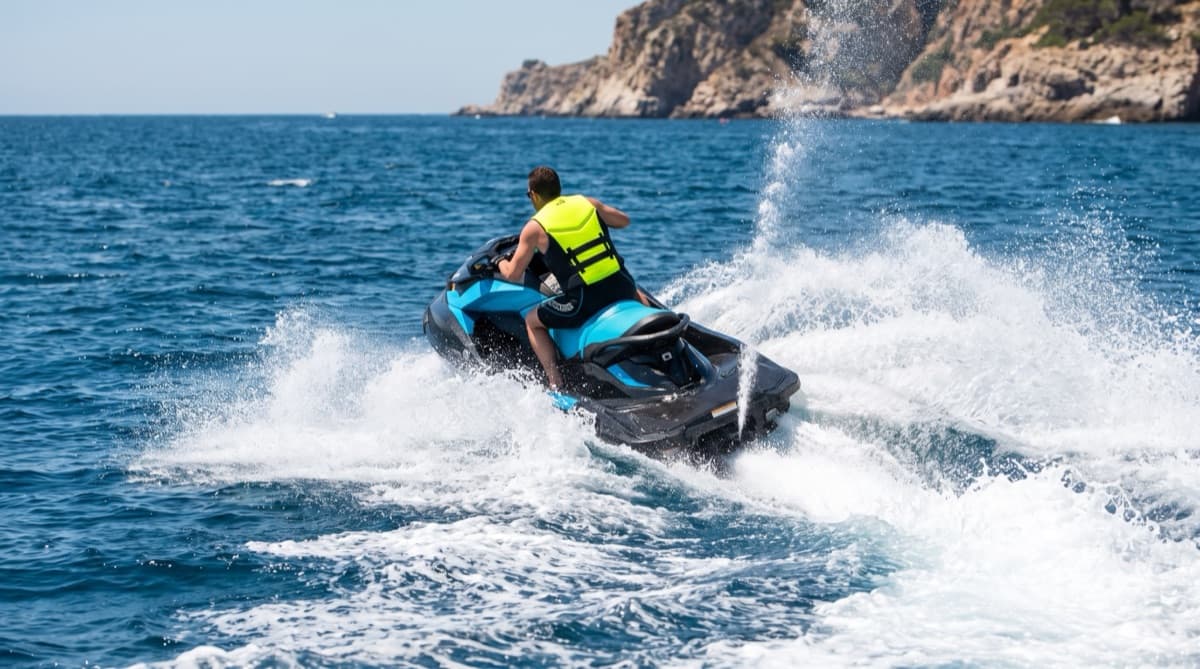
Jet ski or personal watercraft
UK coastal and inland, residency conditions apply
Third party liability, theft and security conditions, launch conditions
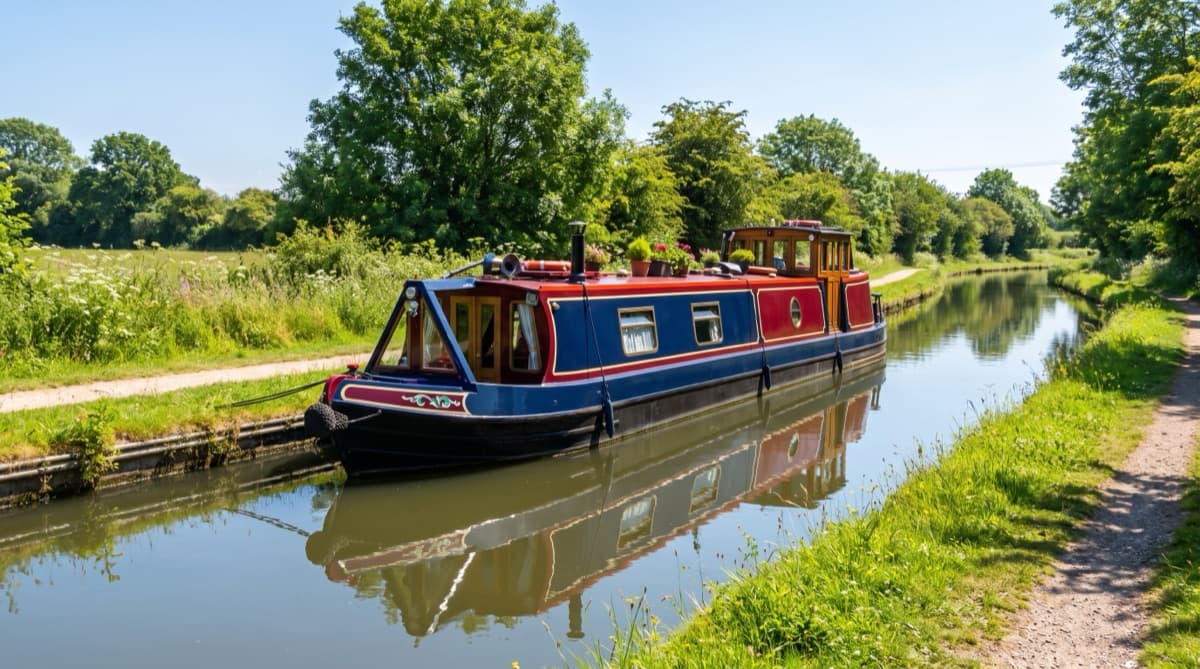
Narrowboat
UK and European inland non-tidal
Third party liability at the licence figure, hull, contents, salvage if included
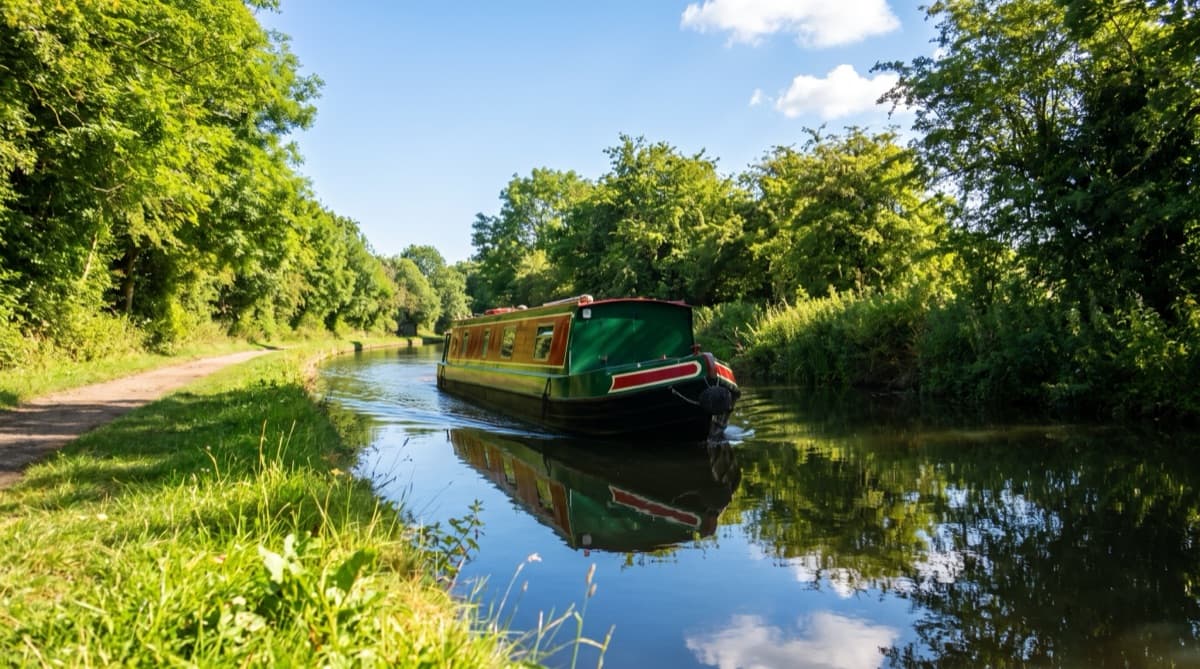
Canal boat
UK and European inland non-tidal
The same schemes write both, and one page covers both terms
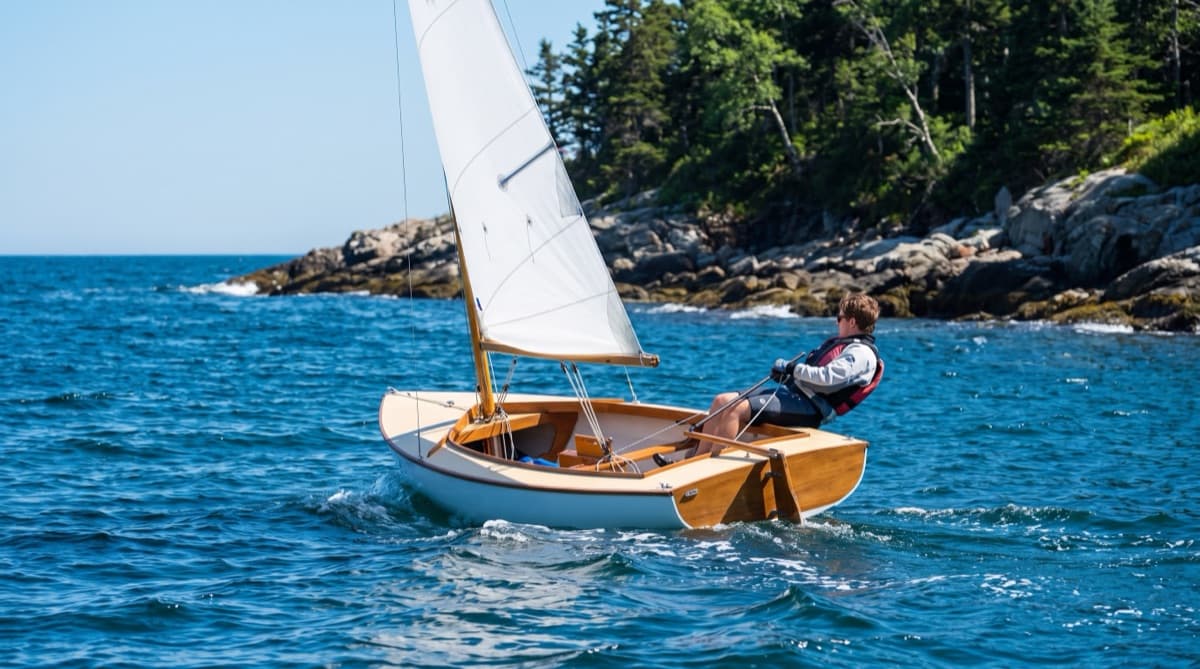
Sailing dinghy
Inland and coastal Europe, close inshore
Third party liability, hull, racing only if endorsed
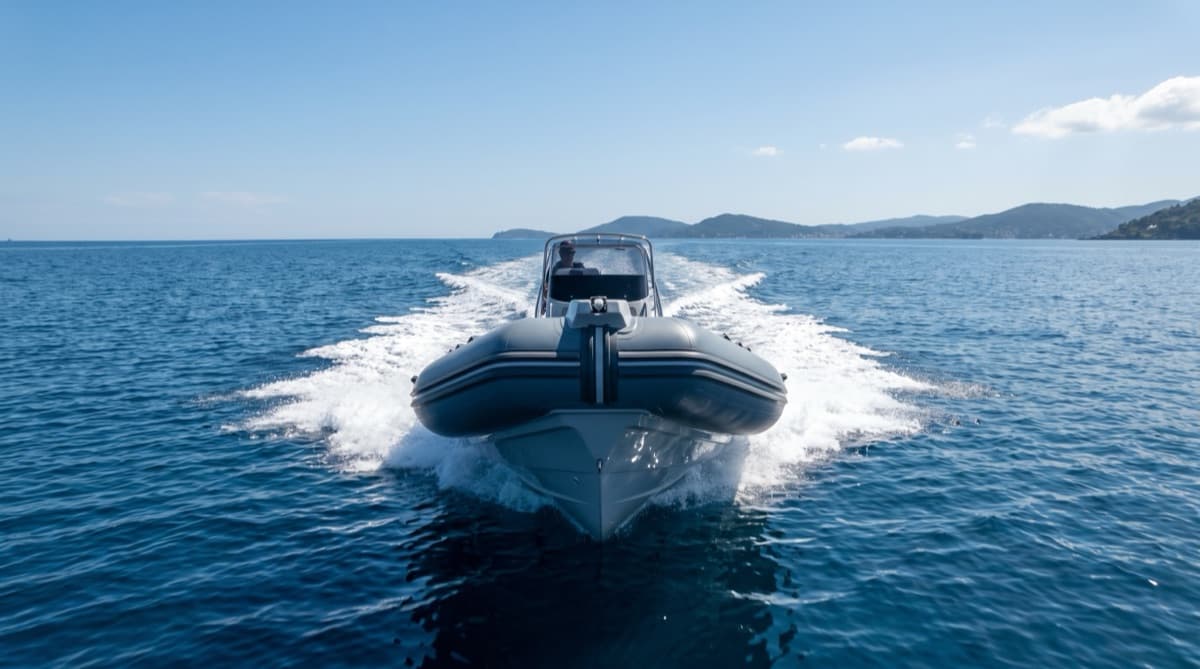
RIB
Inland and coastal, limited offshore range
Third party liability, hull and outboard, trailer as an extension
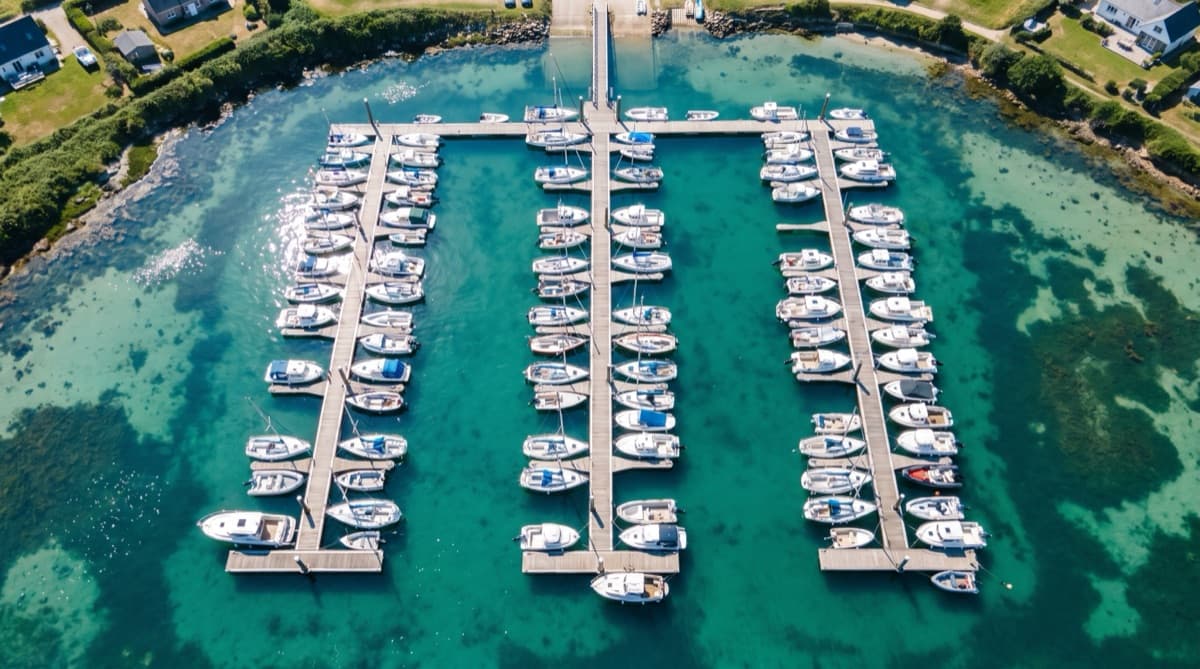
Third party only cover
Whatever the underlying boat is
Liability alone, and nothing for your own hull
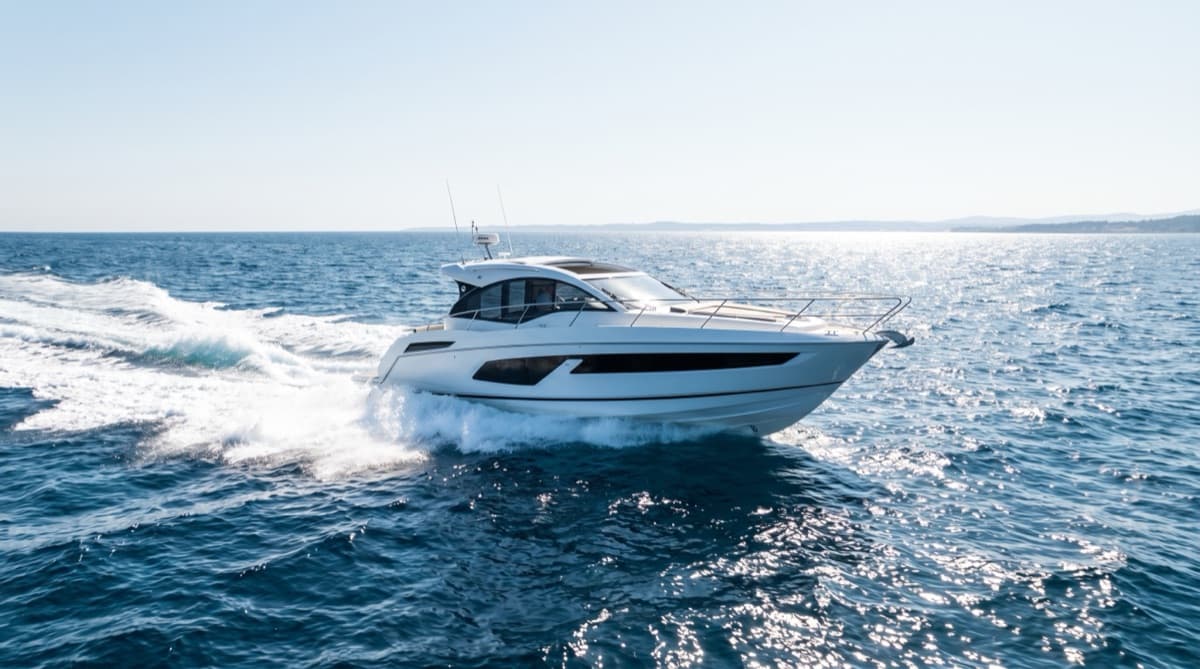
Speedboat
Inland and coastal, limited offshore range
Third party liability, hull, racing excluded as standard
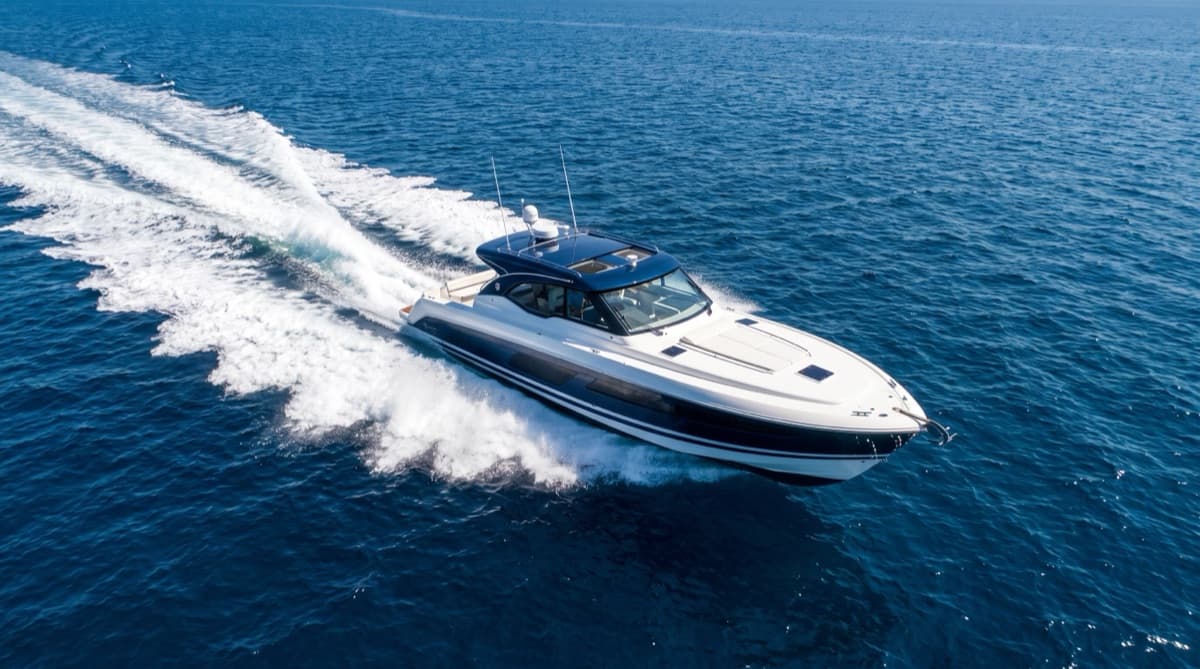
Powerboat
Inland and coastal, limited offshore range
The same schemes write both, and one page covers both terms
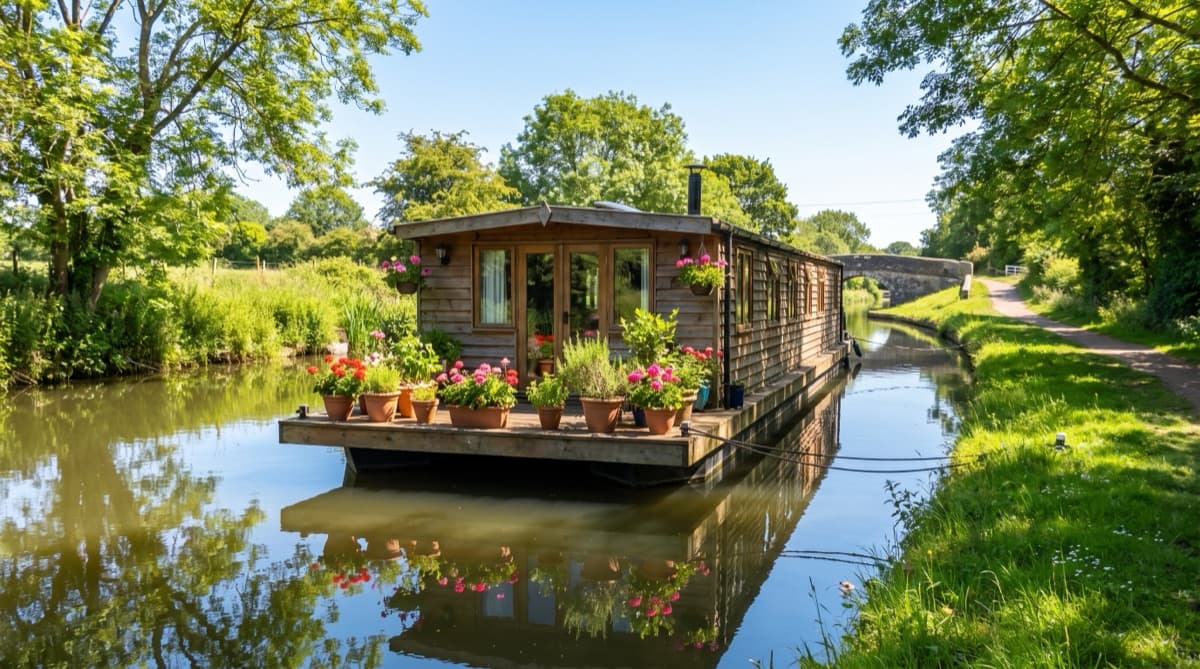
Houseboat
UK inland non-tidal, permanently moored
Third party liability, hull, contents, mooring conditions
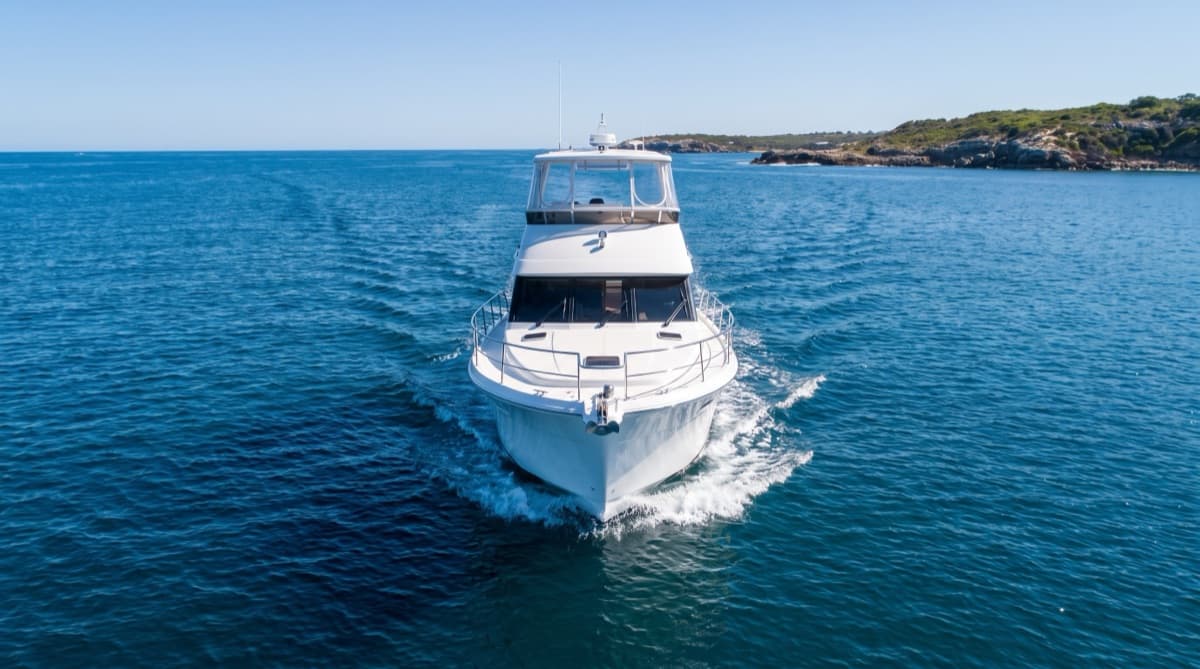
Motorboat
Inland and coastal
Third party liability, hull and machinery, laid-up conditions
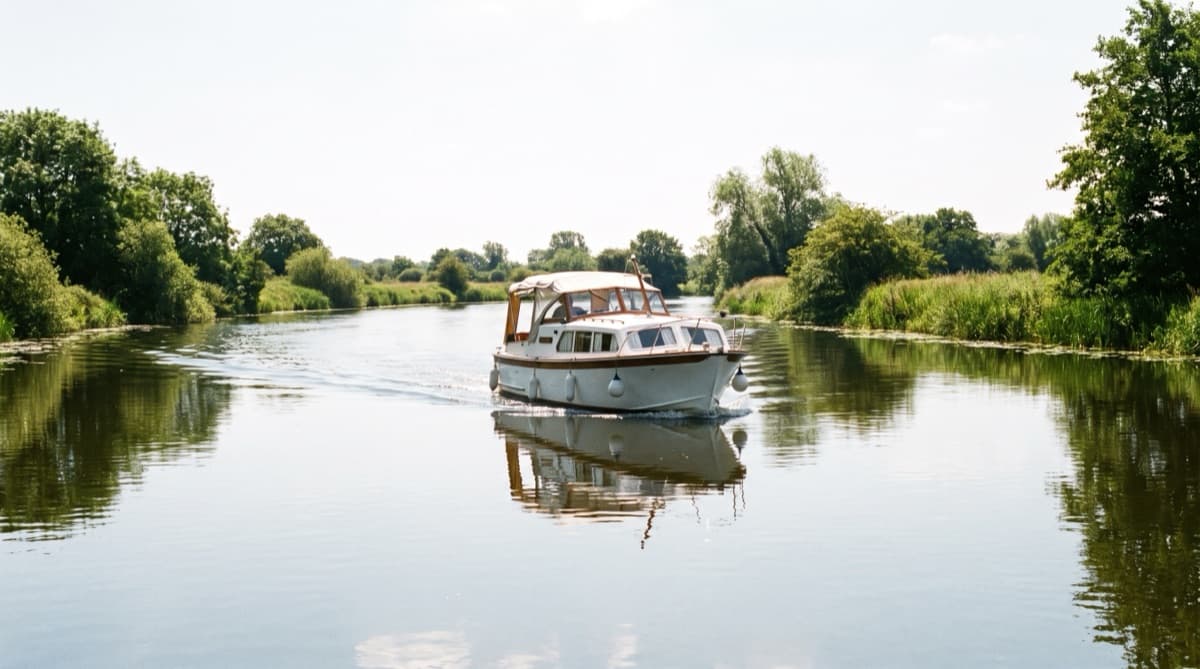
Inland craft
UK and European inland non-tidal
Third party liability at the licence figure, hull
Small open boats, tenders and trailerable runabouts sit inside these rows rather than beside them. Pick the row your boat's hull and use match, not the one its label matches.
Worldwide: yachts and cruising boats
Placed worldwideYacht classes, the waters each cover applies on, what the policy usually carries, and the page for that class
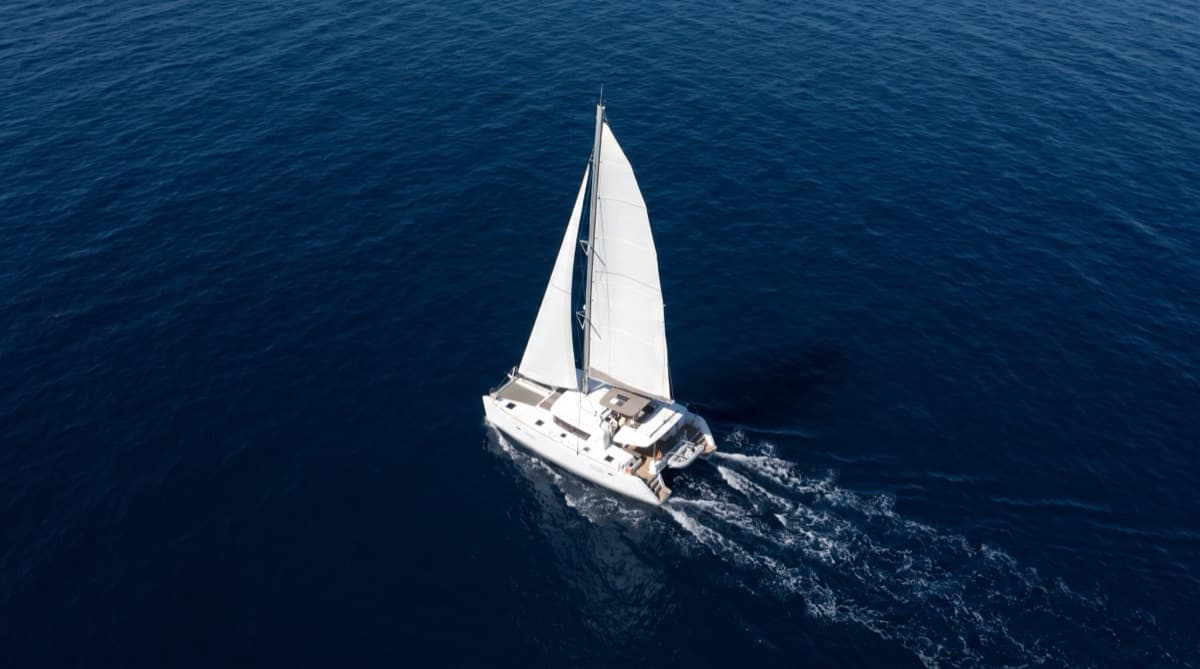
Catamaran, sail or power
Worldwide, including the Caribbean
Agreed value hull, liability, named-windstorm conditions
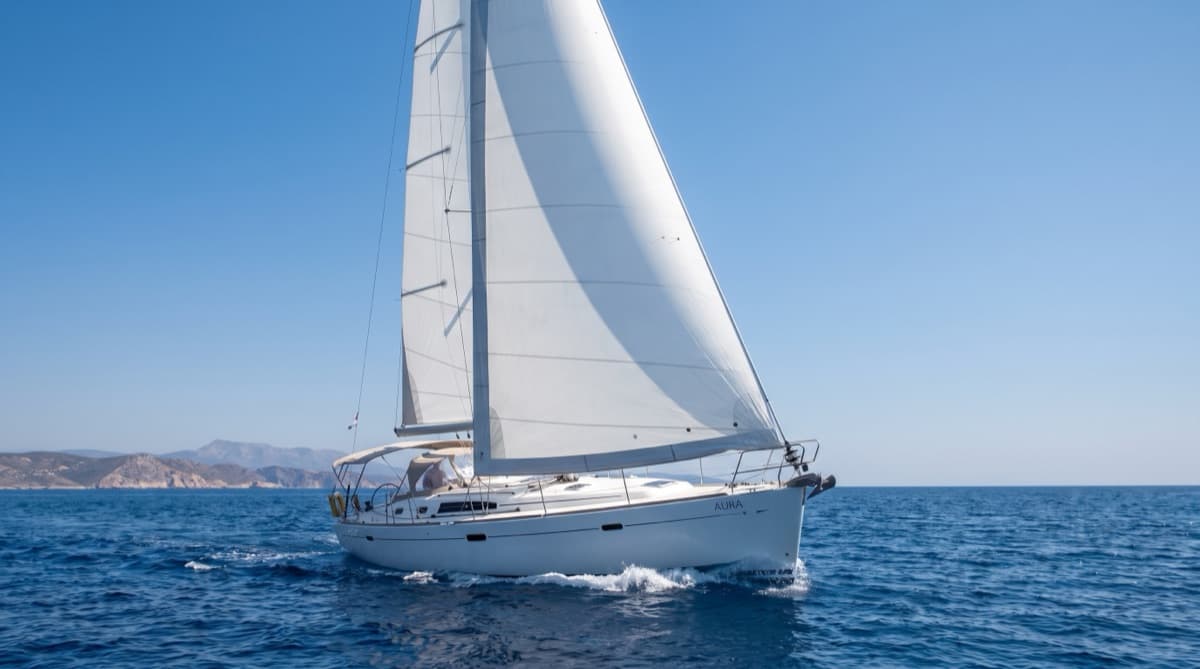
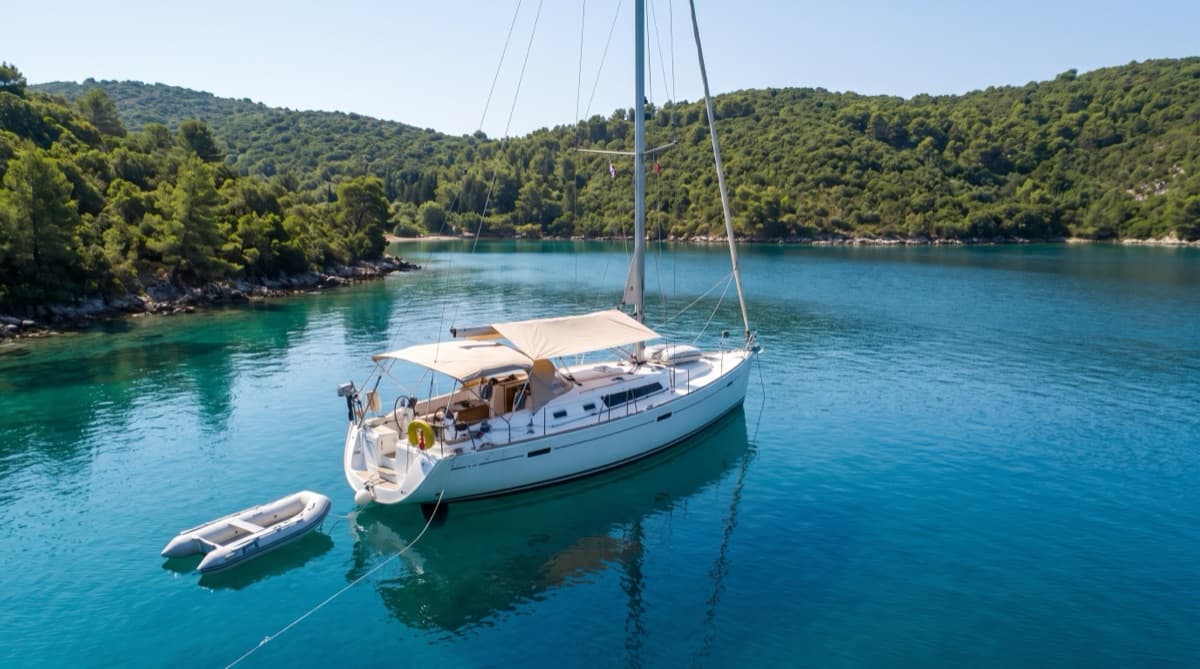
Sailboat and cruising yacht
Worldwide
Agreed value hull, liability, cruising limits, survey conditions
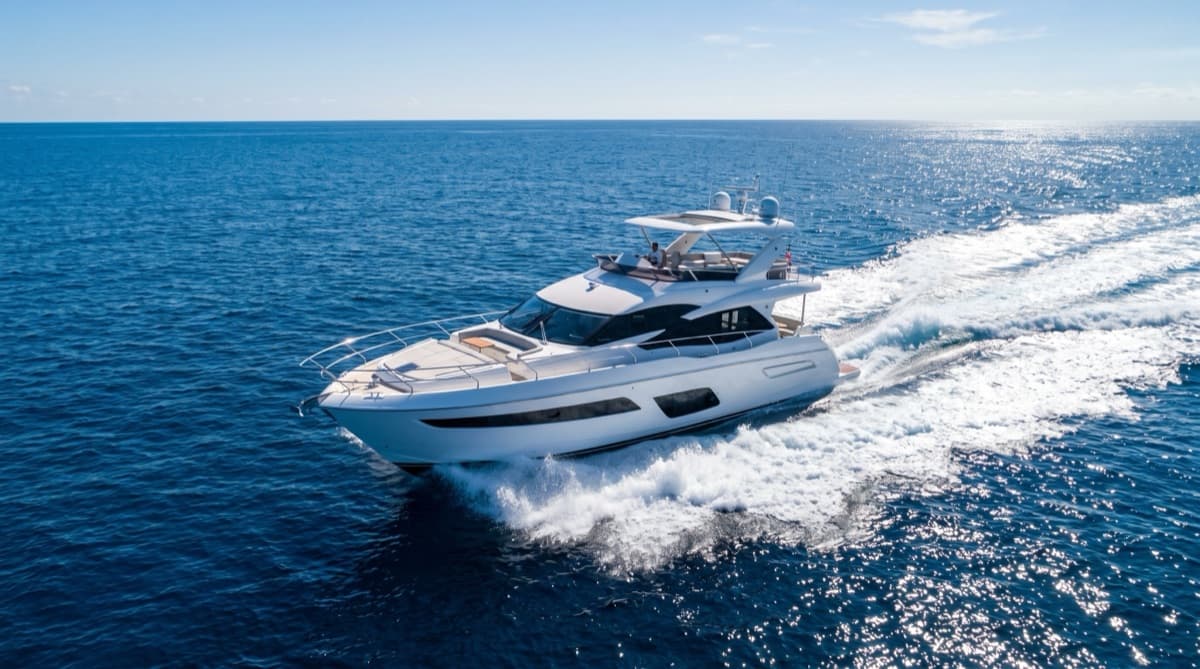
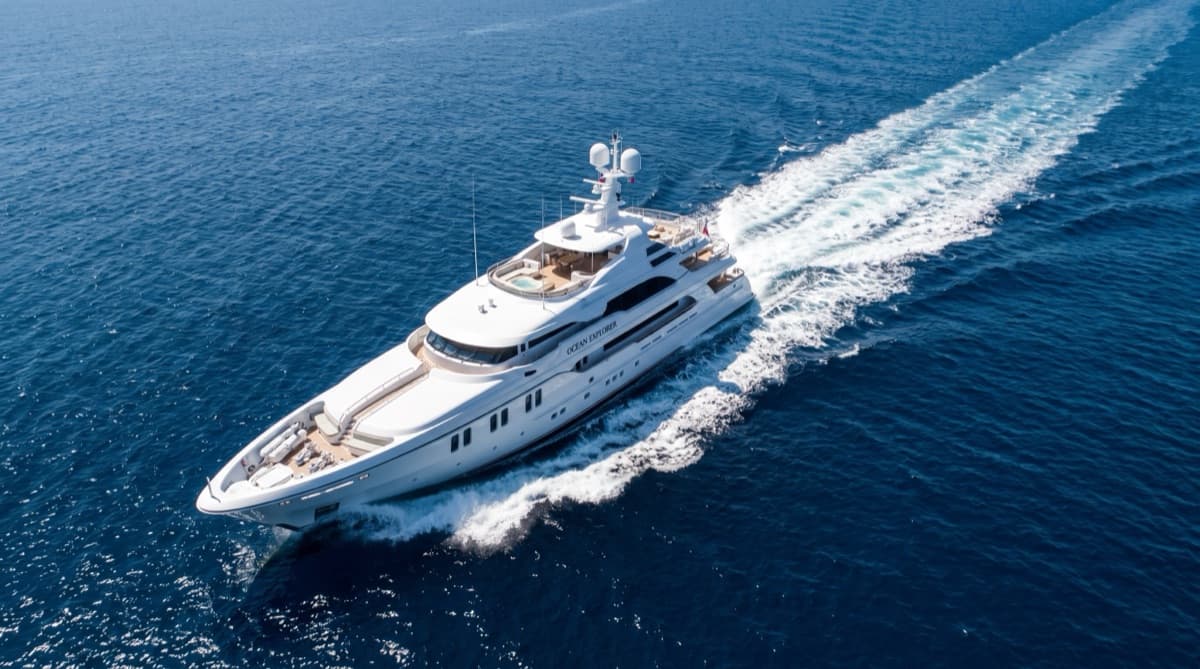
Living aboard
Worldwide, coastal and offshore
Agreed value hull, liability, liveaboard conditions
If you are chartering the boat out, or running it as a business, neither lane is yours. Commercial use is rated on turnover, passengers and payroll rather than on the hull, and the marine business pages cover it.
Is boat insurance a legal requirement in the UK?
There is no general UK statute requiring a private boat to be insured at sea. On inland waterways it is different: cover is a condition of your licence, and gov.uk states that for a powered boat or a houseboat you will usually need third party insurance of at least £1 million. In practice a marina, a harbour or a lender asks for proof long before any statute does.
That is the whole answer, and it is worth being precise about why, because the market tends to write that boat insurance is a legal requirement and leave it there.
Four things create a real requirement, and none of them is a general insurance law.
- 1
An inland licence
You cannot licence or register a boat on most UK inland waterways without third party cover at the level your navigation authority sets. The figures are in the next section.
- 2
A berth or a mooring
A marina, harbour or club berthing contract sets its own limit, and it is usually higher than the licence figure.
- 3
A marine mortgage
A lender makes cover a condition of the loan, normally on an agreed-value basis.
- 4
Organised racing
Club and class entry conditions require liability cover, and standard policies exclude racing unless it is endorsed. On a powered craft that is often the end of it: one of the small-craft wordings withholds racing cover from any vessel that is not a sailing vessel, and the other closes it again for a speedboat.
On that last one, the entry conditions and the licence are two separate documents, and neither is insurance. What a UK powerboat licence actually is, and where racing cover stops covers both.
Before the licence there is a separate certificate. A valid Boat Safety Scheme certificate, or an exemption, has to be in place before you can buy a Canal & River Trust licence, and it is about the boat's fuel, gas and electrical systems rather than about insurance.
The penalty is worth stating carefully, because it is easy to blur two different offences. gov.uk says you could be prosecuted or fined if you do not have the right insurance, and that the kind of penalty depends on your navigation authority. Separately, and this is where the number comes from, boating without an up-to-date licence or registration risks prosecution, a fine of up to £1,000, or removal of the boat.
Two statutory edges sit at the commercial boundary rather than the private one: carrying more than 12 passengers requires a Maritime and Coastguard Agency passenger certificate, and using a boat commercially requires a boatmaster's licence.
If you do not know which authority runs your water, gov.uk publishes the map, authority by authority.
This section is UK law. If your boat is in the United States the requirement is state law and a different set of rules entirely, and our state requirements tool covers all fifty.
How much third party cover does a UK boat need?
The published minimum for a UK boat runs from £1 million to £5 million, and it is set by the authority that controls your water or your berth rather than by the type of boat you own. Buy to your authority's figure, not to the national guidance figure.
Nobody publishes this as a table, so here is one. Every figure below was read from the authority's own page, licence conditions or berthing terms: the first six rows on 27 August 2026, and the five navigation authorities added below them on 28 August 2026. Four of those five require insurance and publish no figure at all.
| Where the boat is | Who sets it | Minimum third party cover | Also required |
|---|---|---|---|
| National guidance, inland waterways | gov.uk | Usually at least £1 million, for a powered boat or a houseboat | Defers to your navigation authority for the figure that actually applies |
| Canals and rivers in England and Wales | Canal & River Trust | £2,000,000 before you buy a boat licence | Boat licence, Boat Safety Scheme certificate, and a home mooring or continuous cruising declaration |
| The Norfolk and Suffolk Broads | Broads Authority | £2 million | Toll, a valid Boat Safety Scheme certificate, and a signed insurance declaration with every annual or short visit toll. Unpowered craft with a block area under 6m2 are excepted from the insurance requirement |
| Non-tidal River Thames | Environment Agency | £1,000,000, including for an unpowered enclosed boat | Registration, and an insurer authorised under the Financial Services and Markets Act 2000 |
| Scottish Canals waterways | Scottish Canals | Two million pounds | Licence, a copy of the policy to the local waterway office, and cover for the costs of recovery if your vessel takes on water or sinks, which condition 4.2 words as a recommendation rather than a requirement |
| The Warwickshire Avon | Avon Navigation Trust | £3,000,000 including salvage | Boat Safety Scheme compliance, for powered and unpowered craft alike. The short-term licence form states the figure as a requirement and the annual licence page states the same figure as a recommendation |
| The Middle Level, between the Nene and the Great Ouse | Middle Level Commissioners | None required. £1,000,000 advised | An insurance certificate and a Boat Safety Certificate are required before registration is issued. The registration form advises the £1,000,000 level rather than requiring it |
| The Bridgewater Canal | The Bridgewater Canal Company | No figure published | Third party cover including a clause indemnifying the Company against the cost of salvage and removal of wreck, in its licence conditions of September 2022 |
| The River Wey and Godalming Navigations | The National Trust | No figure published | Power craft must be appropriately insured, licensed and hold a Boat Safety Certificate. A Wey licence, or a transit licence, is also the way on to the Basingstoke Canal |
| The Basingstoke Canal | Basingstoke Canal Authority | No figure published | Appropriate insurance and Boat Safety Scheme compliance before a visitor licence is issued, with the certificate sent in with the application |
| A marina berth or a harbour mooring | The marina or harbour | £2,000,000 to £5,000,000, set in the berthing terms | Bembridge Harbour requires third party liability including salvage and wreck removal of not less than £5,000,000 |
| At sea, private leisure use | Nobody | No statutory minimum | Your lender or your berth may still impose one |
Two figures disagree, and it is not a contradiction
gov.uk gives a hedged national floor across every navigation authority, and the Canal & River Trust sets a higher figure in its own licence terms. Both are correct in their own scope. The practical consequence is that a reader who does exactly what the top search result says, and buys £1 million of cover, will not be able to licence a boat on the largest UK waterway network.
The limit is not the whole condition
Scottish Canals sets two tests in one clause and words them differently: the policy must cover third party liabilities for at least two million pounds, and it should also cover the cost of recovery if the vessel takes on water or sinks. The second half is a recommendation, not a requirement. Bembridge Harbour requires salvage and wreck removal to sit inside the £5,000,000. So a policy at exactly the right number can still fail the condition it was bought for. The Canal & River Trust says so itself, warning boaters that not all policies cover salvage following a sinking or a fire, and that recovery costs can often run to thousands of pounds.
Check the extension as well as the number. Whether third party only cover is enough to satisfy your authority is the question the third party only page answers.
When a UK insurer will ask for a survey
An out-of-water condition survey is the condition that costs the most and is published the least. Age is the usual trigger, but the age and the repeat interval differ so sharply between insurers that the same boat can face a survey every three years or every ten.
Take a 32-year-old, 30-foot boat worth around £20,000. Read from each insurer's own published rule on 27 August 2026.
UK boat insurers, the age at which each requires a condition survey, how often it must be repeated, and the document that says so
Insurer: Insure4Boats
Age trigger
Over 30 years
Repeat interval
Every 3 years
Source: Its own published requirement
Insurer: Craftinsure, yacht
Age trigger
Over 20 years and over 25ft
Repeat interval
Every 5 years, or 7 for an existing customer
Source: Yacht policy wording, general conditions cl. 5, document dated 10 December 2026
Insurer: Craftinsure, narrowboat
Age trigger
Over 30 years and over 25ft
Repeat interval
Every 5 years, or 7 for an existing customer
Source: Narrowboat and inland waterways wording, cl. 6, dated 10 December 2026
Insurer: GJW Direct
Age trigger
Over 30 years, or over 50 if under 26ft and worth under £15,000
Repeat interval
Every 10 years
Source: Yacht policy book, general conditions cl. 16 Survey Clause, dated 26 May 2025
Insurer: Haven Knox-Johnston
Age trigger
Not published as a number
Repeat interval
None once accepted, while continuously insured
Source: Its own surveys FAQ
Same boat, same risk, and a threefold difference in how often a survey falls due. On a lift-out plus survey running to several hundred pounds each time, that is a larger number over ten years than the premium gap between the same insurers. Three of those five names belong to one group, which makes the spread harder to explain as market disagreement.
Three things the market does not say plainly.
The wording governs, not the FAQ
One insurer's yacht page says a survey is needed if the boat is over 20 years old or over 25ft. Its own policy wording says over 20 years and over 25ft, and adds a 7-year interval for existing customers that the web page omits. The wording is the contract. Read it before you rely on either.
A survey is not the only gate
The same wordings carry hull-material conditions that decide acceptance before age ever comes up. One requires the boat to be built of fibreglass, aluminium or steel, and to be professionally built without significant structural alteration. A wooden or home-built hull fails that clause regardless of its condition.
Third party only cover can sidestep it
At least one liability-only wording has no survey clause at all, and replaces it with a hard age cap and a length limit. That is a real route for an older boat, and it buys nothing for your own hull.
Fourteen UK insurers we checked publish no survey rule at all, and several publish an article about surveys that names no age and no interval. If your boat is older than about 30 years, the survey condition is worth asking about before the premium.
The full picture for an older hull, including what a survey is looking for, is in our guide to insuring older boats.
What boat insurance costs in the UK
There is no independent UK market average for boat insurance premiums. Two insurers publish their own customer averages by boat type, and those are the only real figures in public. They are the insurers' own numbers, not quotes, and not ours.
Each of those is a single self-reported average carrying its own asterisk on the insurer's own site, and each is an average across very different boats. Treat them as the shape of the market, not as a price.
What actually moves your premium is a shorter list than the market implies.
- The boat's type, value and hull material
- Its top speed, which is what separates a speedboat rating from a motorboat one
- Where it is kept and where it is used, tidal or non-tidal, inland or coastal
- Your own experience and claims history
- The excess you accept, and any no claims bonus you carry
- Whether the boat is laid up for part of the year
- Whether a condition survey is required, and how recent it has to be
That last one is the expensive one, because it is a recurring cost rather than a premium, and it is the least consistent condition in the market.
For a worldwide yacht rather than a UK boat, our cost calculator works from agreed value instead.
Published average annual premiums by boat type, as stated by the insurer that published them
Boat type: Small craft
Published average: £75 a year
Whose figure: GJW Direct, its own stated customer average, read 27 August 2026
Boat type: Racing dinghy
Published average: £112 a year
Whose figure: Craftinsure, its own stated customer average, read 27 August 2026
Boat type: Narrowboat
Published average: £291 a year
Whose figure: Craftinsure, same statement
Boat type: Cruising yacht
Published average: £327 a year
Whose figure: Craftinsure, same statement
Boat type: Jet ski
Published average: £342 a year
Whose figure: GJW Direct, same statement
Boat type: Motor cruiser
Published average: £624 a year
Whose figure: GJW Direct, same statement
This page is general information, not financial advice, and not a quotation.
What a boat policy covers, and what it does not
A comprehensive boat policy is built from two halves: liability for what you do to other people, and hull cover for what happens to your own boat. The exclusions are more consistent across the market than the inclusions, and the one that surprises owners most is salvage.
What a UK boat policy usually covers, set against what it usually does not
Usually covered
- Third party liability for injury and damage
- Hull and machinery, afloat and ashore
- Personal effects, to a sub-limit
- Theft, subject to security conditions
- Third party liability while laid up
- Transit on a road trailer, often as an extension
- Removal of wreck, where the policy includes it
Usually not covered
- Salvage and wreck removal, unless the policy says so
- Wear, tear and gradual deterioration
- Damage by vermin, insects, marine life and damp
- Mechanical breakdown, fault or short circuit
- Racing, unless it is endorsed, and on some wordings a powered craft cannot endorse it back at all
- Use outside the policy's cruising area
- Wilful misconduct, and use under the influence
Salvage leads the right-hand column deliberately. It is the one exclusion a navigation authority warns consumers about directly, and it is the one most likely to turn a satisfied condition into an unsatisfied claim.
Two conditions do more work than the exclusions list suggests
The cruising area is a boundary in the schedule rather than a suggestion: cover stops at the stated limit, and a coastal policy typically runs to a set distance offshore rather than anywhere the boat can reach. Laid-up and seasonal conditions put the boat ashore or in a marina for part of the year on some inland and multihull policies, and using it outside those dates is outside the cover. UK policies call the amount you pay on a claim the excess, not the deductible.
Which boats are hard, or impossible, to insure
Some boats are difficult to place, and a few are outside the markets we introduce to entirely. We publish that rather than let you find out at the quotation, because it saves you the enquiry.
Ferro-cement hulls
The reason is surveyability rather than prejudice. Corrosion of the internal steel armature is invisible from the surface and does not read reliably on the instruments a surveyor uses on steel or fibreglass, so the condition of the hull cannot be established to an underwriter's satisfaction. Several of the market's own wordings settle it earlier by requiring fibreglass, aluminium or steel construction.
Trimarans
Outside the London-market yacht facility. Catamarans are placeable and trimarans are not, which is a facility boundary rather than a comment on the boats.
Cigarette boats and high-performance powerboats
The combination of speed and value puts them outside the London-market facility, and the standard small-craft wordings cap design speed well below what they do.
Home-built and amateur-completed hulls
Usually excluded by a construction clause rather than by age.
An older boat with no recent survey
This is the common one, and it is not about class at all. A 40-year-old boat with a current out-of-water survey is often straightforward. The same boat with no survey in the last decade is the harder conversation.
Personal watercraft and jet skis fall outside the London-market facility
They are reachable, on a different route and on a UK, Channel Islands and Gibraltar residency condition, which is why there is a jet ski row in the matrix above and a jet ski page beneath it. A rental or hire fleet is a different risk again, and the small-craft schemes are not written for it.
Working boats are a different market from the ones above
A boat that earns money is not on this lane at all. The leisure wordings behind these schemes exclude use for hire or charter, and for anything except your own private pleasure, so one paying passenger or one contract job moves the boat onto a commercial product. Small commercial vessels up to and including 40 ft, working inland and coastal waters of the UK and Europe, have their own page, which sets the length and distance limits against the MCA area category on a coded vessel's certificate. Above 40 ft, or beyond 12 nautical miles, it is a different market again.
A boundary is only useful if it is specific, so two more. Coastal cover on the small-craft schemes runs to a stated distance offshore rather than to wherever you can steer, and the inland schemes are non-tidal only. If your boat crosses that line, you are on the yacht side of the matrix rather than the inland side.
How we arrange cover, and where our routes stop
World Yacht Insurance is an insurance introducer. We are not an insurer, we carry no risk, and we do not decide who covers you. You tell us about the boat and the water it is used on, and we pass the enquiry to the specialist market that writes that class. The firm that arranges your cover, and its regulator, are named in the documents you receive before you buy anything, and how the whole arrangement works is set out in full.
Any firm arranging insurance for you in the UK appears on the Financial Services Register, and it is worth checking the one named in your documents.
What that means in practice, stated as boundaries rather than as promises.
- We give no quotation and no advice on this page. We introduce, and the market that writes your class quotes.
- Sail and motor yachts, catamarans, superyachts and liveaboard boats are placed worldwide, including the Caribbean and for owners domiciled outside Europe.
- The inland and small-craft market is a UK and European one. Its inland schemes are non-tidal, its coastal cover stops at a stated distance offshore, and some of its classes carry residency conditions.
- Small commercial craft are written only up to a published length limit, and a passenger or charter operation is a different market again.
A United States resident enquiry is out of scope for every class in the small-craft lane, and a US-domiciled yacht or motor boat is not. If you are in the United States, the state requirements tool covers US law.
Not financial advice. Figures on this page are the published figures of the authorities and insurers named beside them, on the dates given, and are not an offer of cover.
Boat insurance FAQ
Is it compulsory to have boat insurance?+
No single UK law requires every private boat to be insured. It becomes compulsory through a contract rather than a statute: an inland boat licence, nearly every marina and harbour berth, a marine mortgage and organised racing all require it. In practice, if the boat is kept anywhere other than your own land, somebody requires cover.
How much insurance do you need for a boat?+
It is set by whoever controls the water or the berth, not by the boat. £1,000,000 on the non-tidal Thames under the Environment Agency; £2,000,000 for a Canal & River Trust licence, on the Broads and on Scottish Canals; £2 million to £5 million at marinas and harbours. Check the extensions as well as the limit, because Scottish Canals adds, in the same clause, that the policy should also cover recovery if the vessel sinks.
What happens if I do not have boat insurance?+
On inland waterways gov.uk states you could be prosecuted or fined, and that the kind of penalty depends on your navigation authority. Before any penalty arrives the practical consequence does: no licence, no toll, no berth. Boating without an up-to-date licence or registration separately risks a fine of up to £1,000 or removal of the boat.
Do all boats need a boat safety certificate?+
No. The Boat Safety Scheme applies to boats with engines, or with cooking, heating, lighting, refrigeration or other domestic appliances, including open boats with fixed electrical systems. It does not apply to open boats propelled solely by an outboard with none of those systems, nor to canoes, paddleboards, rowing boats and dinghies. Certificates run four years and are issued by an independent examiner.
What are the different types of boat insurance cover?+
Third party only covers injury and damage you cause to other people, their boats and their property. It satisfies almost every authority requirement and protects none of your own money. Third party, fire and theft adds your own boat for those two perils. Comprehensive contains third party liability plus accidental damage to your own boat, afloat, ashore and in transit.
Reviewed by Costas Matheou, licensed insurance agent.
Coverage terms, premiums and deductibles on this page are indicative and not financial advice. Cover is subject to underwriting, survey and the policy wording.
Tell us about the boat
The vessel, where it is kept and the waters you use decide which market writes it. Send those three and we will route the enquiry to the market that does.
- No obligation
- every underwriting question asked upfront
- a licensed Cyprus agent reviews every enquiry
Also on WhatsApp, Telegram and Viber