
What Yacht Insurance Does Not Cover
Yacht insurance does not cover wear and tear, gradual deterioration, mechanical breakdown, marine-life and animal damage, mould, corrosion, or losses from neglect or cruising outside your navigational limits. Named-windstorm damage is only covered with a signed hurricane plan and a 10% deductible.
This guide walks each exclusion from the London Marine Insurance Services policy wording we hold, sets out the vessel classes that fall outside the London-market facility, and shows how to close the gaps with the right endorsement.

Insuring a yacht of your own?
Tell us the boat, its value and where it cruises. We come back with Lloyd's-market terms, usually inside 24 hours.
- Wear & tear
- never covered under any policy
- 10%
- named-windstorm deductible (needs a hurricane plan)
- 3 vessel types
- never written (trimarans, ferro-cement, cigarette boats)
- up to $5M
- in-house underwriting ($5M+ via Lloyd's)
TL;DR
Yacht insurance does not cover wear and tear, gradual deterioration, mechanical breakdown, marine-life and animal damage, mould, corrosion, or losses from neglect or cruising outside your navigational limits. Named-windstorm damage is only covered with a signed hurricane plan and a 10% deductible. Some vessel classes fall outside the market entirely. This guide walks each exclusion from the London Marine Insurance Services policy wording we hold, then shows how to close the gaps.
Reviewed by Costas Matheou, licensed insurance agent. Verify his licence and credentials Last updated July 2026.
Yacht insurance exclusions are the losses your policy will never pay for, listed in the policy wording. World Yacht Insurance is a yacht-insurance introducer arranging hull and liability cover up to $5M for sail and motor yachts worldwide, including the Caribbean, placed in the London market through London Marine Insurance Services Ltd, a Lloyd's-accredited broker.
This guide is for yacht and boat owners who want the honest version, not the brochure. It's general information, not financial advice. Always read your own policy wording.
What does yacht insurance not cover?
Yacht insurance does not cover wear and tear, gradual deterioration, mechanical or machinery breakdown, marine-life and animal damage, mould, corrosion, negligence, racing, or losses from cruising outside your navigational limits. These exclusions are near-universal across insurers.
Here's the short list most owners get caught by:
- Wear and tear and gradual deterioration the slow decline you're expected to maintain against
- Mechanical and machinery breakdown a failed engine that wasn't hit by an outside event
- Marine life, animals, and mould barnacles, rodents, insects, and organic growth
- Corrosion, rot, and osmosis long-term hull and metal breakdown
- Named-windstorm damage without a signed hurricane plan
- Negligence and neglect skipped maintenance and known faults left unfixed
- Racing damage and other use changes without an endorsement
- Losses outside your navigational limits
Most of these show up in every insurer's list, including the yacht-specific exclusions catalogued by Investopedia. Broker pages like Cribbin Insurance and JMG group them the same way. We'll take each in turn below, using our own LMIS policy wording as the primary source.
Wear and tear, gradual deterioration, and osmosis
Yacht insurance covers sudden, accidental, external damage. It does not cover wear and tear, gradual deterioration, osmosis, wet or dry rot, or corrosion. These are treated as maintenance items you're expected to manage. The one exception: if a covered event causes the damage, the repair can become payable.
Insurers draw a hard line between a sudden loss and a slow decline. A real policy clause reads much like the one a US law firm quotes in its wear-and-tear exclusion breakdown: loss caused by wear and tear, gradual deterioration, osmosis, wet or dry rot, or corrosion is excluded. Our LMIS wording excludes the same family of losses.
Osmosis is hull blistering. Water works into the gelcoat over years and forms blisters below the waterline. Because it builds slowly, no policy pays to fix it on its own.
The commonest place an owner meets that exclusion is a Mediterranean quay. We set out why a quay scuff is usually yours to pay.
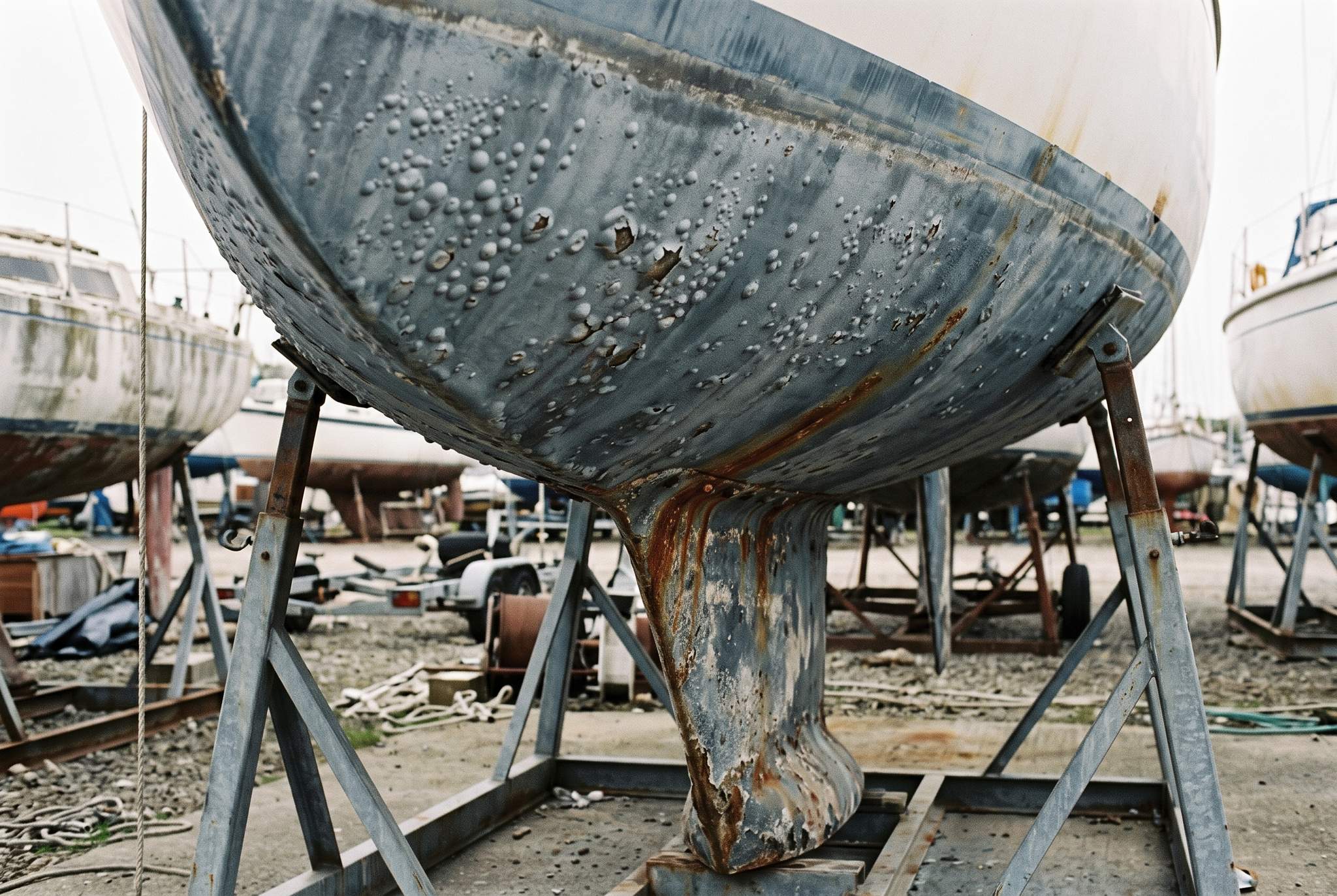
There is one route back to a payable claim. As a law firm's review of covered-peril logic explains, damage tied to a specific insured event can flip an otherwise-excluded repair into a paid one. Say a collision cracks the hull and lets water in. The resulting damage may be covered, even though slow corrosion never would be. The trigger has to be a sudden event, not time. If you want protection against depreciation at claim time, choose an agreed-value policy over actual cash value (see agreed value vs actual cash value).
Does yacht insurance cover engine and mechanical breakdown?
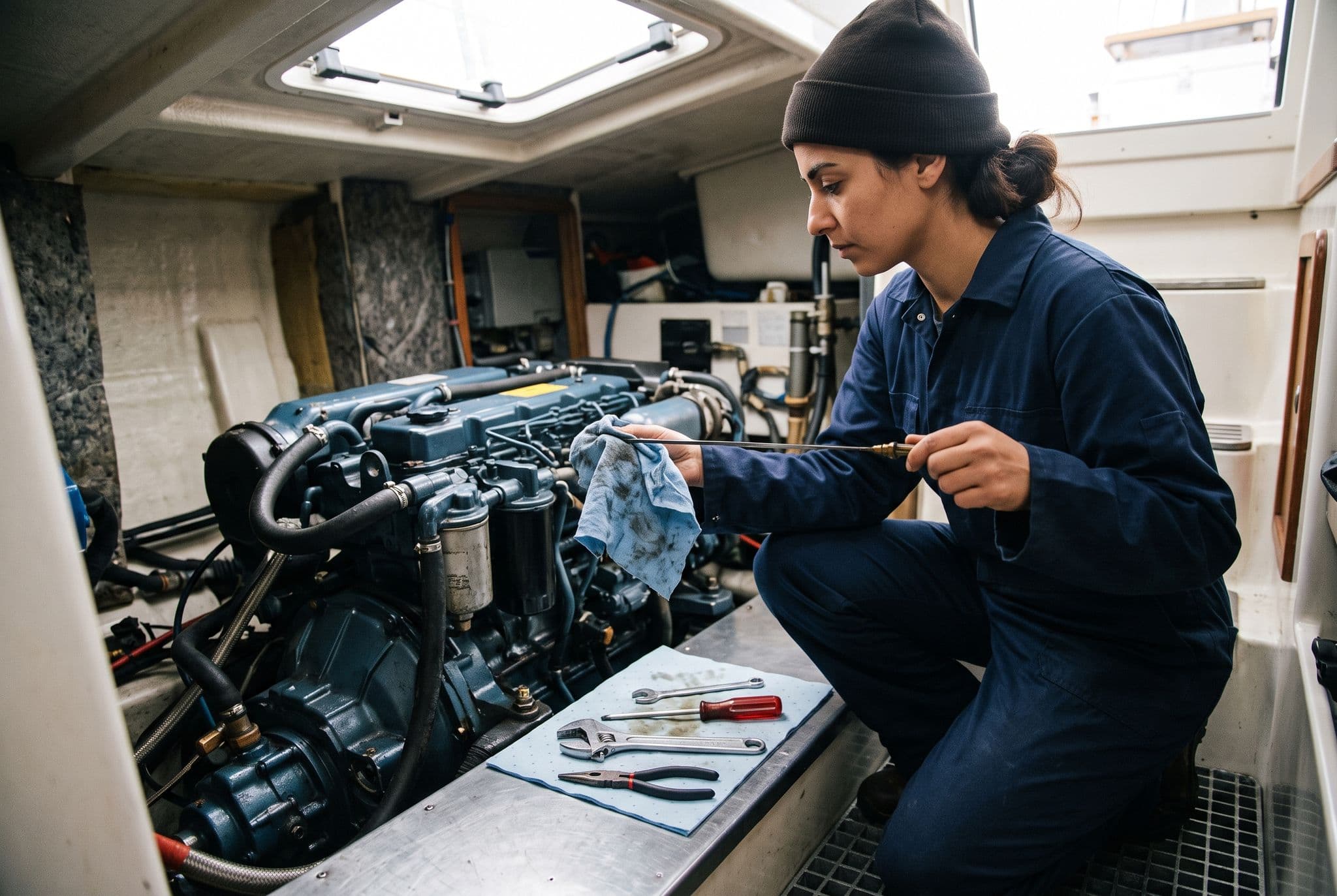
Not on its own. A hull policy pays for engine damage caused by a sudden, external, covered event, such as a grounding or a fire. It does not pay for mechanical breakdown, engine failure, or a blown engine from wear or poor maintenance. Many policies carry an explicit machinery-damage exclusion, especially on older vessels.
The engine is the biggest grey area in yacht insurance, so let's keep it plain.
- Engine damage from a covered event (grounding, fire, collision) is usually paid.
- Mechanical failure, engine failure, or a blown engine from age or neglect is not.
- A cracked engine block from failed winterization is treated as a maintenance failure, not an accident.
- Lower unit damage follows the same test: covered if an outside event caused it, excluded if it just wore out.
A machinery-damage exclusion is a policy clause that rules out engine and machinery losses that aren't caused by an insured event. Marine press like In The Bite notes that older vessels attract stricter machinery terms as engines age. Brokers such as JMG use the defective-part rule: the faulty part itself isn't paid, but resulting damage can be. So if a bad water pump seizes and wrecks the engine, the pump is on you and the resulting damage may be covered.
You can sometimes add a machinery or mechanical-breakdown extension. Our LMIS wording sets the terms case by case, so ask before you buy.
Hurricane and named-windstorm damage: the "10% rule"
The "10% rule" is the named-windstorm deductible. For a named storm you bear 10% of your yacht's agreed value, versus a small fixed deductible for ordinary claims. Named-windstorm cover is conditional: the cover the London-market facility places requires a signed hurricane plan and applies the 10% deductible.
A named windstorm is a storm the National Hurricane Center has named. Cover for these storms works differently from a normal claim. Two things trigger it: a signed hurricane plan on file, and a 10% deductible on any named-storm loss. Catastrophe cover often narrows, or requires haul-out, through the NOAA Atlantic hurricane season, which runs June 1 to November 30, and your Confirmation of Cover is what sets the navigational limits that apply. Flood and freeze are frequently separate lines. In the US, flood is often written through the FEMA National Flood Insurance Program, not your yacht policy.
Here's how the 10% deductible works on a real agreed value:
| Agreed value | Named-windstorm deductible (10%) | You pay before cover starts |
|---|---|---|
| $250,000 | $25,000 | $25,000 |
| $500,000 | $50,000 | $50,000 |
| $1,000,000 | $100,000 | $100,000 |
On a $500,000 agreed value, the named-windstorm deductible is $50,000. Typical yacht premiums run 1% to 1.5% of the agreed value per year (LMIS indications, 2026), so the storm deductible often dwarfs a year's premium.
What this means for owners: budget for the deductible before hurricane season, not after a warning. Use our yacht insurance cost calculator to model the numbers, and build your filing with the boat hurricane plan generator. For more on catastrophe windows, see our guide to Caribbean hurricane season and the deeper explainer on the named-windstorm deductible. This is general information, not financial advice.
Damage from marine life, animals, and mould
Yacht insurance does not cover damage from marine life, animals, or mould, and it does not pay for cosmetic marring, denting, or scratching. Insurers treat this as gradual or maintenance-preventable, so it falls outside a standard policy. Damage that flows from a covered event can be the exception.
The organic exclusions owners underestimate:
- Barnacle and algae fouling on the hull below the waterline
- A dolphin or whale strike and damage from rodents or insects
- Mould and mildew from damp air and poor ventilation
- Cosmetic marring, denting, and scratching plus osmosis blistering
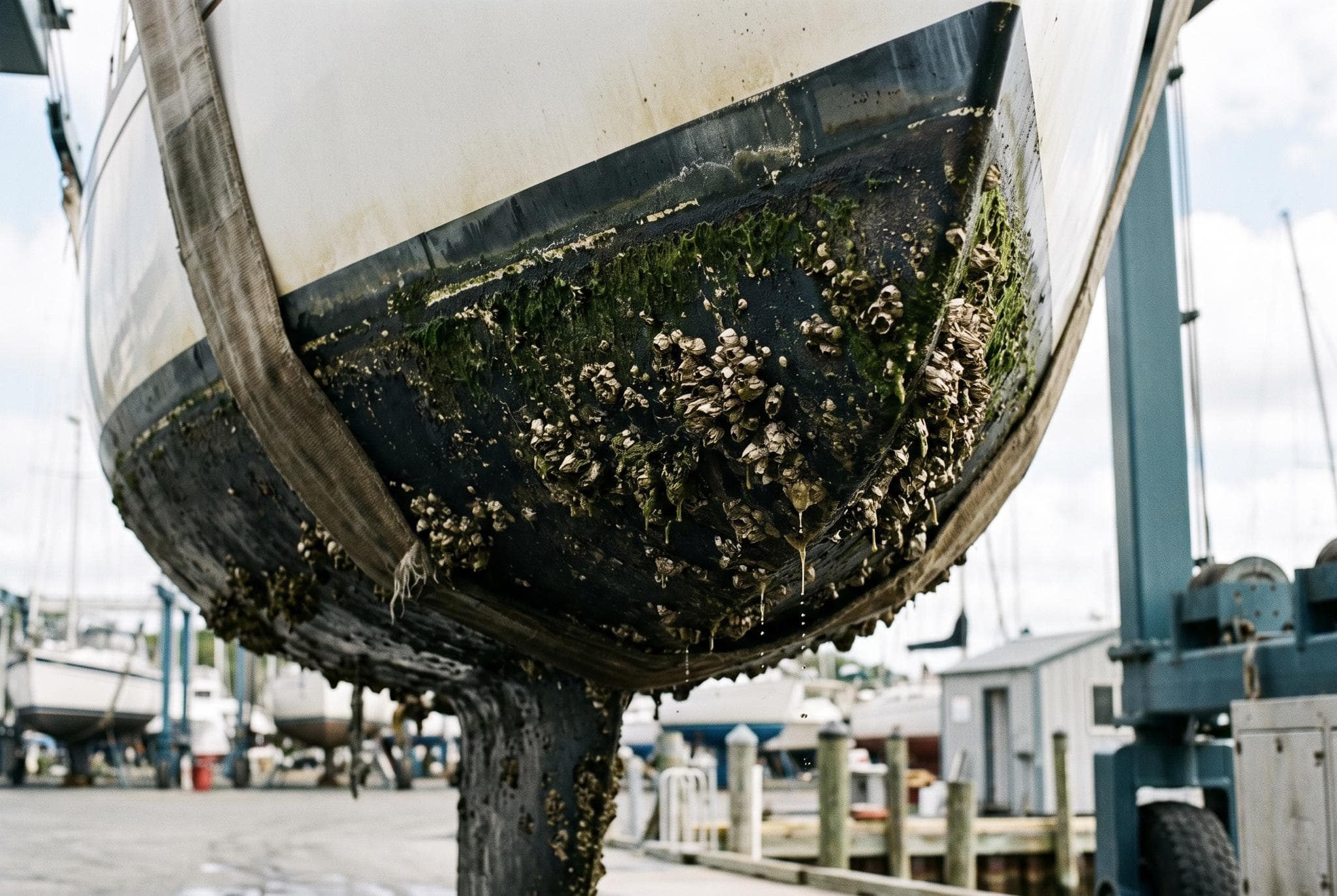
A law firm's analysis of animal and mould exclusions lines up with the marine-life list in Investopedia: these are viewed as wear, not accidents. There's a narrow exception. If a covered event breeds the problem, say a collision floods a cabin and mould follows, the mould can be payable because a covered peril caused it.
Where you're not covered: navigational limits and cruising range
Every yacht policy defines a navigational area. Losses outside that area are simply not covered, and cruising beyond your range can void a claim entirely. It's one of the fastest ways owners lose a payout without realising it.
Our cover carries honest, specific limits worth stating plainly:
- Croatia carries doubled deductibles. Cruise and claim there, and your deductible is twice the usual figure.
- Cuba, Colombia, Venezuela and Haiti carry doubled deductibles. Cover is still placeable there, on modified terms: every deductible doubles, confiscation and piracy are excluded, and theft is excluded unless the yacht is moored in a commercial marina agreed in writing beforehand.
- The Caribbean named-windstorm navigation limits narrow cover. Roughly July to November, though the dates and latitudes vary by insurer and your Confirmation of Cover is the document that decides. Catastrophe terms tighten inside that window.
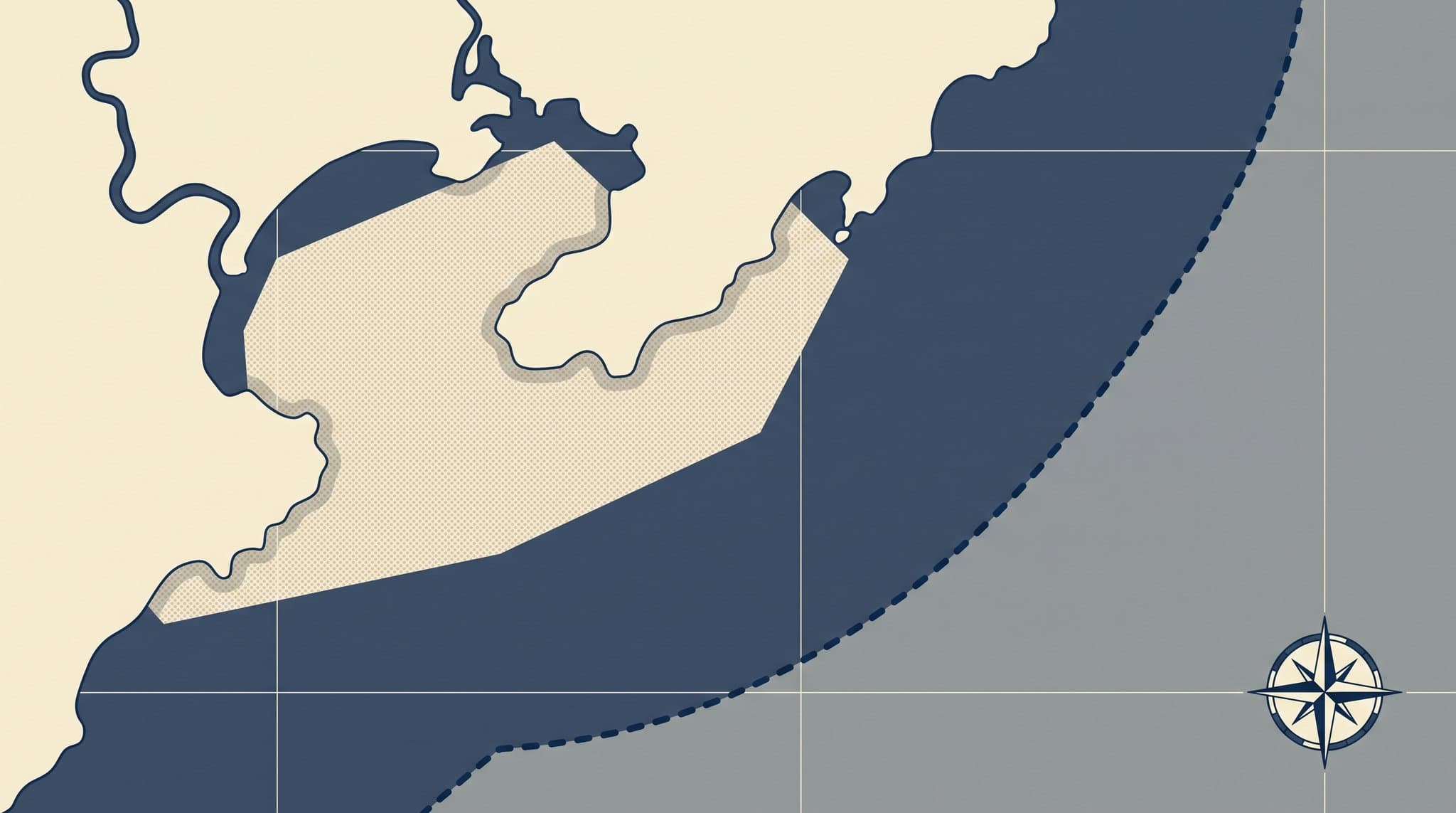
US owners hit a related wrinkle. A policy can draw a line between coastal and inland waters, or limit how far offshore you can go from a home state like Florida or California. A law firm's note on geographic limits points out that ambiguous wording is often read in the policyholder's favour. Don't rely on that. Read the navigational-limits clause before you plan a passage.
Headed to the Adriatic? See our page on cruising Croatia, and check the Caribbean yacht insurance page before a Caribbean season.
What voids your yacht policy: negligence, BUI, and warranties
Exclusions and voiding behaviours are different things. An exclusion is a loss never covered. A voiding behaviour means you had cover, then broke a condition and lost it. Both leave you paying out of pocket, so it helps to know which is which.
Behaviours that can void your cover:
- Negligence and failure to maintain. Ignoring a known fault or skipping upkeep can sink a claim.
- Boating under the influence. This is enforceable by the U.S. Coast Guard and can void your liability cover outright.
- Letting an unlicensed or inexperienced person operate the yacht.
- Unauthorised modifications the insurer never approved.
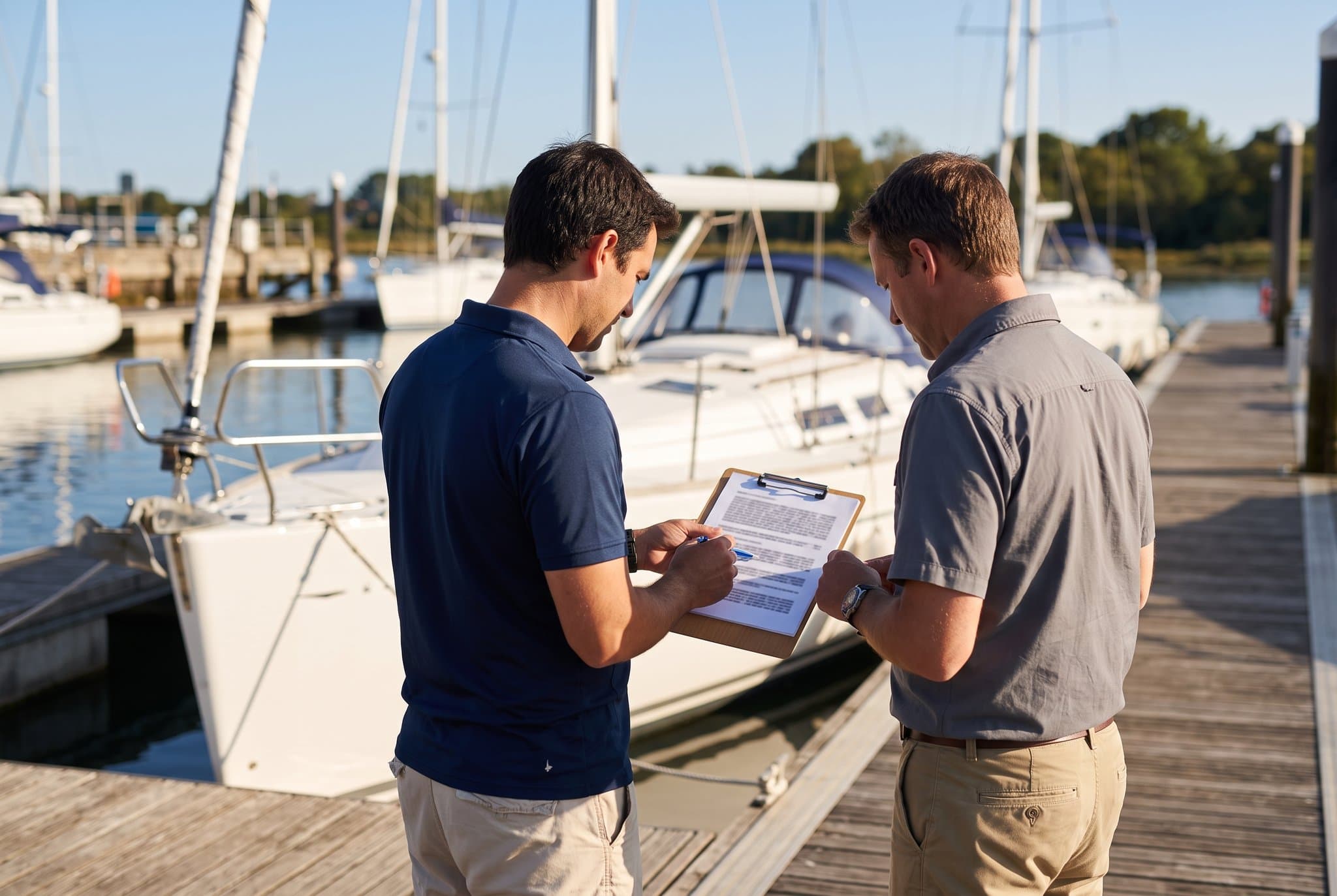
- Breaching a policy warranty or survey condition such as missing a deadline for recommended survey work.
A warranty is a promise written into your policy: to fit a certain alarm, say, or complete a repair by a date. Break it and cover can lapse. Seaworthiness is an owner duty too, under marine insurance law and general maritime law, so a boat sent out in poor condition invites a denied claim. Meeting your warranties and survey conditions is how you keep cover intact. For what surveyors check, see marine survey requirements.
The same document decides what may happen while nobody is aboard, and leaving your boat unattended sets out the three conditions that apply then, none of which is a time limit.
Racing, chartering, and other use-based exclusions
How you use the yacht can quietly remove cover. Racing damage is excluded unless you add a racing endorsement, and even then our LMIS endorsement excludes mast, rig, and sails while racing. Chartering out or towing for hire turns private use into commercial use and needs its own endorsement.
The use changes that need an endorsement, or you lose cover:
- Racing. Damage is excluded without an endorsement. Our racing endorsement still excludes mast, rig, and sails while racing, and expects no formal race-jury requirement.
- Chartering your yacht out. This needs a bareboat charter endorsement; without it, charter losses are excluded.
- Towing for hire. Carrying passengers or cargo for money is commercial use and falls outside a pleasure-use policy.
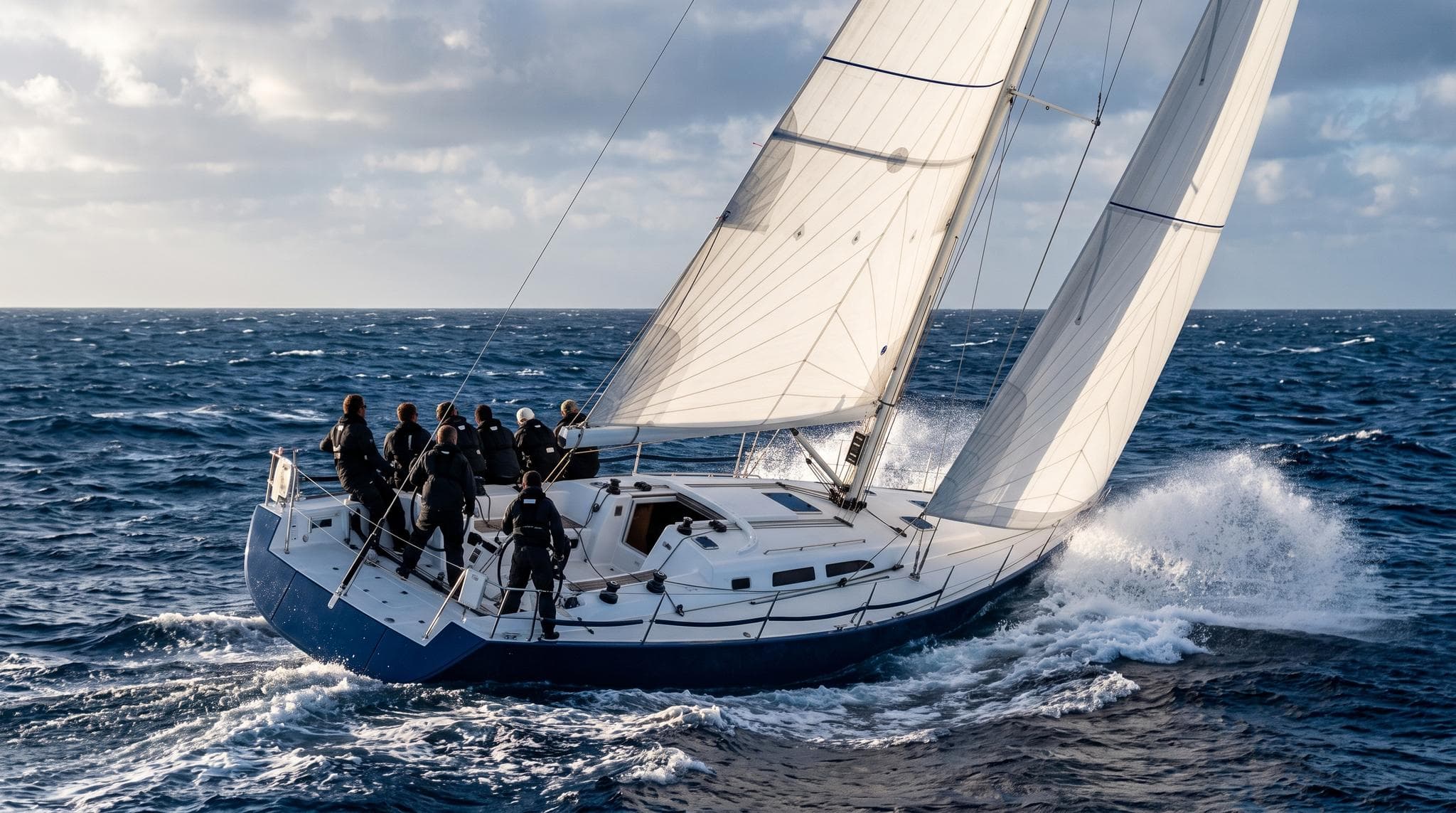
The rule is simple. If the yacht earns money or races, tell us first. For income-earning use, our charter yacht insurance page sets out the cover. Broker pages like Cribbin describe the same racing and towing carve-outs, but the mast-rig-sails detail comes straight from our own wording.
Which vessel classes fall outside the market entirely?
Five classes are placeable through the London-market facility: yachts, sailboats, catamarans, motor boats and superyachts. Trimarans, ferro-cement hulls, high-performance "cigarette" boats, personal watercraft and jet skis fall outside it, as do pontoons, bowriders and trailerable runabouts. Everything else turns on a satisfactory marine survey.
The classes outside the market, stated plainly:
- Trimarans three-hulled vessels fall outside the London-market facility.
- Ferro-cement hulls cement-built hulls are not placeable through this chain.
- High-performance "cigarette" boats fast offshore powerboats sit outside the facility's appetite.
- Personal watercraft and jet skis outside the market for a private owner and for a commercial rental fleet alike.
- Pontoons, bowriders and trailerable runabouts not on the placeable list either, so a lake or beach livery sits largely outside this market.
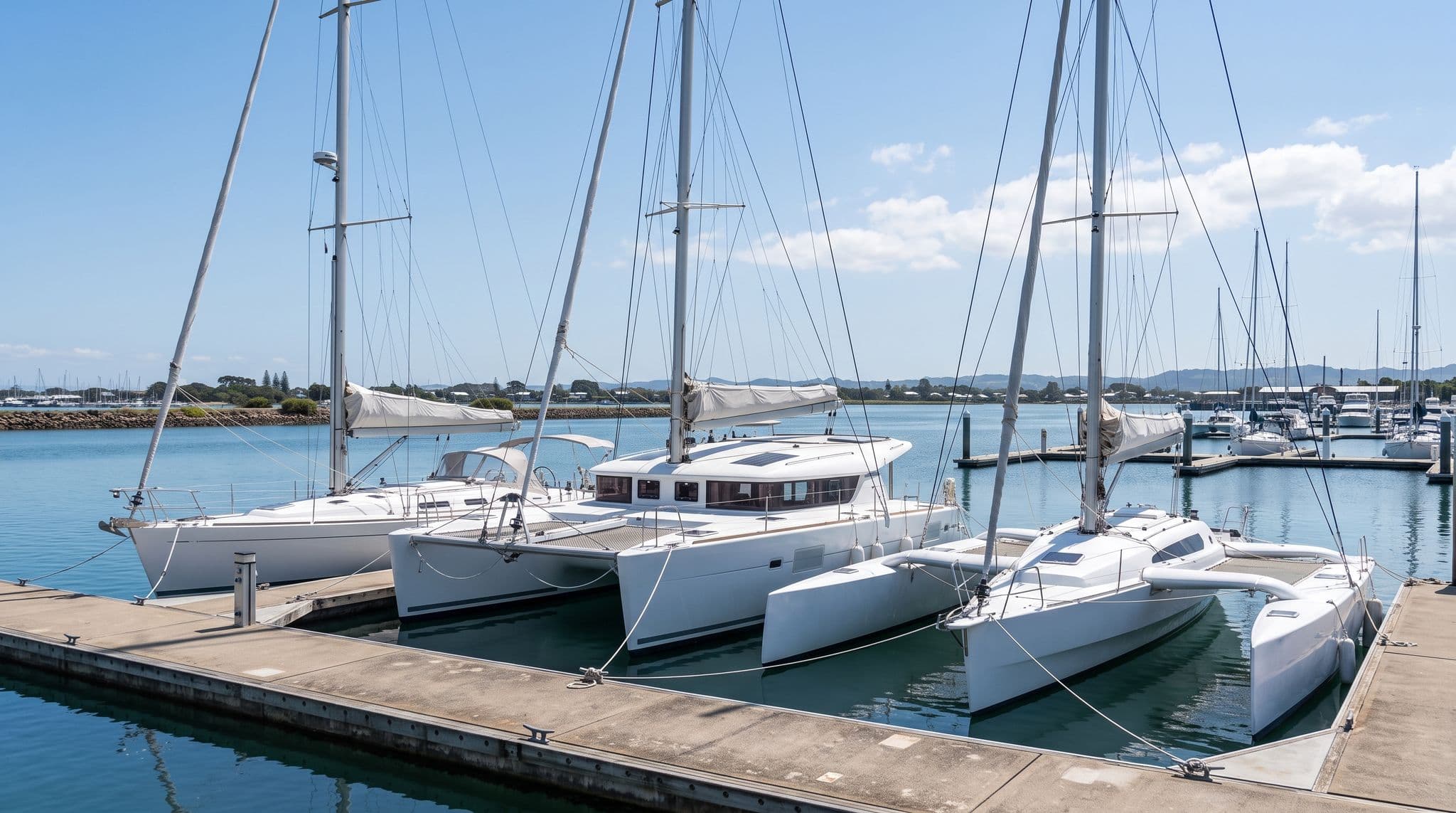
Why this matters: if you own one of these, knowing now saves the time a rejected submission costs. The placeable classes are yachts, sailboats, catamarans, motor boats and superyachts, and inside that list the survey still decides. A satisfactory marine survey and clear condition photos are what let an underwriter bind cover. No competitor states these boundaries, so we do.
For the multihull this market does place, see catamaran insurance, which carries the same trimaran and ferro-cement boundary. For the survey side, see marine survey requirements.
How to close the gaps: endorsements and add-ons
Most exclusions have a fix. You add the right endorsement or rider, or you choose the right policy type. The table below maps common gaps to the cover that fills them.
| Gap in a standard policy | How to close it |
|---|---|
| Salvage and wreck removal | Salvage / wreck-removal add-on |
| No tow after a breakdown | Towing add-on |
| Belongings above the sub-limit | Personal-effects rider |
| Chartering the yacht out | Bareboat charter endorsement |
| Lost charter income after a claim | Loss-of-charter-hire cover: €600/day, max 67 days |
| Depreciation shortfall at claim time | Agreed-value policy instead of actual cash value (ACV) |
Two of these deserve a note. Loss-of-charter-hire cover (€600/day, max 67 days under our LMIS policy wording) only applies once you add a charter-use endorsement; it pays lost charter income while a covered repair keeps the yacht off the water. And the policy type itself shapes how exclusions bite: a named-perils policy pays only for the causes it lists, while an all-risks policy covers everything except what it names as excluded, so read which one you hold before you count on a claim.
Actual cash value pays the depreciated market value. An agreed-value policy protects the figure you and the underwriter set at the start, and on an older yacht that difference can be large. To size your cover, see how much yacht insurance costs and run the yacht insurance cost calculator. For vessel-specific cover, start with sailboat insurance or motor yacht insurance.
Ready for real numbers? Request a pre-qualifying quote and our broker partners return London-market indications within 24 hours, with in-house underwriting authority up to $5M. Cover is arranged and placed in the London market through London Marine Insurance Services Ltd, a broker accredited at Lloyd's of London. The insurers behind that facility carry the risk and pay valid claims.
Frequently asked questions
1.What is the 10% rule for yachts?
+
The "10% rule" is the named-windstorm deductible. For a named storm you bear 10% of your yacht's agreed value, versus a small fixed deductible for ordinary claims. The cover the London-market facility places applies this 10% deductible and requires a signed hurricane plan on file. On a $500,000 agreed value, that deductible is $50,000.
2.Does yacht insurance cover sinking?
+
Yes, if the sinking is sudden and accidental from a covered peril, such as a collision or a storm strike. No, if it stems from wear, corrosion, gradual leakage, or neglect, like a failed through-hull fitting left unmaintained. Salvage and wreck removal may need a separate add-on.
3.Does boat insurance cover engine damage?
+
Engine damage is covered when a sudden external covered event causes it, such as a grounding or fire. It's not covered for mechanical breakdown, engine failure, or wear. Many policies carry a machinery-damage exclusion, especially on older vessels. A mechanical-breakdown extension can sometimes be added.
4.Does yacht insurance cover hurricane damage?
+
Conditionally. Named-windstorm cover needs a signed hurricane plan and carries a 10% deductible. Cover often narrows or requires haul-out through the Atlantic season, June 1 to November 30, and your Confirmation of Cover is the document that fixes your navigational limits and any geographical windstorm exclusion. Flood is frequently a separate line and often excluded from the yacht policy.
5.What voids a yacht insurance policy?
+
Common causes include negligence or failure to maintain the yacht, boating under the influence, letting an unlicensed operator take the helm, breaching a policy warranty or survey condition, and cruising outside your navigational limits. Each can turn a valid claim into a denied one.
6.Are there yachts that can't be insured at all?
+
Yes. Trimarans, ferro-cement hulls, high-performance "cigarette" boats, personal watercraft and jet skis fall outside the London-market facility, and so do pontoons, bowriders and trailerable runabouts. The placeable classes are yachts, sailboats, catamarans, motor boats and superyachts, and inside that list binding is still conditional on a satisfactory marine survey and meeting photo and condition requirements.
7.Does yacht insurance cover wear and tear?
+
No. Wear and tear, gradual deterioration, osmosis, wet or dry rot, and corrosion are excluded as maintenance items. There's one exception: damage tied to a covered peril, such as a collision, can flip an otherwise-excluded repair into a payable claim.
Reviewed by Costas Matheou, licensed insurance agent.
Coverage terms, premiums and deductibles on this page are indicative and not financial advice. Cover is subject to underwriting, survey and the policy wording.
Ready for real numbers?
Tell us your yacht's details and cruising plans, and our broker partners return an indicative London-market quote in about 24 hours, with in-house underwriting authority up to $5M.
- No obligation
- every underwriting question asked upfront
- a licensed Cyprus agent reviews every enquiry
Also on WhatsApp, Telegram and Viber